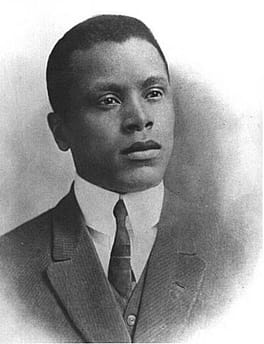
Photo: Unknown author / Public domain (source: Wikimedia Commons)
Oscar Micheaux was a film director, novelist and writer, born on January 2, 1884 in Metropolis, Illinois, United States. Death is recorded on March 25, 1951, at the age of 67. Listed accolades include Black Filmmakers Hall of Fame (1976) and star on Hollywood Walk of Fame. Notable works include Story of Dorothy Stanfield.
My Take
Micheaux is one of those figures I think gets name-checked far more often than he is actually watched, and that bothers me. Building more than 44 films as a Black author-director-producer in early-twentieth-century America was not a career so much as an act of sheer will against a system designed to shut him out. The Hall of Fame honor and the Walk of Fame star arrived as overdue applause. What I admire most is the refusal to wait for permission; he simply made the work. I would happily trade ten polished modern biopics for one honest screening of what he built first.
This take was written by generative AI, one per person, from publicly reported facts (editorial policy). It is a reading of the record, not reporting.
1. Profile
- Name (English)
- Oscar Micheaux
- Name (Japanese)
- オスカー・ミショー
- Reading
- おすかー・みしょー
- Born
- January 2, 1884 – March 25, 1951
- Origin
- Metropolis, Illinois, United States
- Occupation
- film director / novelist / writer / actor / screenwriter
- Zodiac / Chinese zodiac
- Capricorn / Monkey
2. Background
Awards & achievements
- 1976 Black Filmmakers Hall of Fame
- star on Hollywood Walk of Fame
3. Works & records
Filmography / notable works
| Category | Title |
|---|---|
| Notable work | Story of Dorothy Stanfield |
4. Links
5. About this entry
Tags
- Last updated
Facts are limited to publicly available information up to 2024; non-public or unconfirmed items are omitted. English text is machine-assisted (facts translated by Sonnet, "My Take" written by Opus 4.8). The Japanese page is the source of record.
Frequently asked questions
When was Oscar Micheaux born?
Born January 2, 1884.
When did Oscar Micheaux die?
Died March 25, 1951, aged 67.
Where was Oscar Micheaux from?
Oscar Micheaux was from Metropolis, Illinois, United States.
What did Oscar Micheaux do?
Oscar Micheaux worked as film director, novelist, writer, actor, screenwriter.
What was Oscar Micheaux known for?
Notable works include Story of Dorothy Stanfield.
Film director — see all → · Novelist — see all → · More people from the United States →