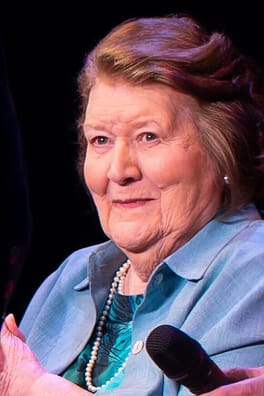
Photo: Raph_PH / CC BY 2.0 (source: Wikimedia Commons)
Patricia Routledge was a television actor, singer and stage actor, born on February 17, 1929 in Tranmere, United Kingdom. Patricia Routledge studied at Birkenhead High School Academy and University of Liverpool. Awards on record include Officer of the Order of the British Empire (1993), Commander of the Order of the British Empire (2004), Dame Grand Cross of the Order of the British Empire (2017) and 2 more.
My Take
Patricia Routledge is, for me, the definition of a serious actor who never considered comedy beneath her. A Tony and Olivier winner eventually made a Dame, she could have stayed locked in prestige theatre, yet she gave television Hyacinth Bucket, a snobbish, self-deluding suburbanite she somehow made impossible to dislike. That generosity, bringing decades of stagecraft down to the living room, is what I admire most. A Liverpool University graduate who poured her whole self into broad domestic farce, she earned her laughs honestly. She died in 2025 at 96, and I quietly revere the rigor behind her lightness.
This take was written by generative AI, one per person, from publicly reported facts (editorial policy). It is a reading of the record, not reporting.
1. Profile
- Name (English)
- Patricia Routledge
- Name (Japanese)
- パトリシア・ラウトリッジ
- Reading
- ぱとりしあ・らうとりっじ
- Born
- February 17, 1929
- Origin
- Tranmere, United Kingdom
- Occupation
- television actor / singer / stage actor / film actor / actor
- Zodiac / Chinese zodiac
- Aquarius / Snake
2. Background
- High school
- Birkenhead High School Academy
- University
- University of Liverpool
Awards & achievements
- 1993 Officer of the Order of the British Empire
- 2004 Commander of the Order of the British Empire
- 2017 Dame Grand Cross of the Order of the British Empire
- 1968 Tony Award for Best Actress in a Musical
- 1988 Laurence Olivier Award for Best Actress in a Musical
3. Links
- Wikipedia (English)https://en.wikipedia.org/wiki/Patricia%20Routledge
- Wikidatahttps://www.wikidata.org/wiki/Q2320305
4. About this entry
Tags
- Last updated
Facts are limited to publicly available information up to 2024; non-public or unconfirmed items are omitted. English text is machine-assisted (facts translated by Sonnet, "My Take" written by Opus 4.8). The Japanese page is the source of record.
Frequently asked questions
When was Patricia Routledge born?
Born February 17, 1929.
Where was Patricia Routledge from?
Patricia Routledge was from Tranmere, United Kingdom.
What did Patricia Routledge do?
Patricia Routledge worked as television actor, singer, stage actor, film actor, actor.
Television actor — see all → · Singer — see all → · More people from the United Kingdom →