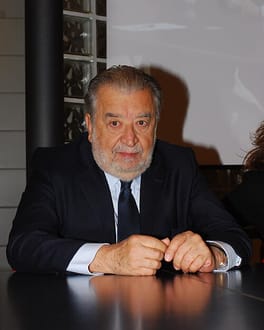
Photo: Filippo Caranti aka User:Terrasque / CC BY-SA 3.0 (source: Wikimedia Commons)
Pupi Avati, born on November 3, 1938 in Bologna, Province of Bologna, Italy, is a film director, screenwriter and writer. As of 2026, Pupi Avati is 87 years old. Schooling on record includes University of Florence. Listed accolades include Commander of the Order of Merit of the Italian Republic, Cinearti La chioma di Berenice Prize, Gold Medal of the Italian Order of Merit for Culture and Art and 5 more.
My Take
Pupi Avati is one of those directors I'd happily defend to anyone who dismisses Italian horror as schlock. A Bologna-born University of Florence man who started out as a jazz musician, he brings an unexpected melancholy to the genre. The House with Laughing Windows and Zeder aren't about cheap shocks; they're about the damp, creeping dread of the provincial countryside and the sorrow buried underneath it. The David di Donatello wins for both writing and directing, plus a national order of merit, mark him as far more than a cult name. What I love most is his stubborn longevity, still making films into his eighties, a true lifer of the craft.
This take was written by generative AI, one per person, from publicly reported facts (editorial policy). It is a reading of the record, not reporting.
1. Profile
- Name (English)
- Pupi Avati
- Name (Japanese)
- プピ・アヴァティ
- Reading
- ぷぴ・あゔぁてぃ
- Born
- November 3, 1938 (age 87)
- Origin
- Bologna, Province of Bologna, Italy
- Occupation
- film director / screenwriter / writer / film producer / jazz musician
- Zodiac / Chinese zodiac
- Scorpio / Tiger
2. Background
- University
- University of Florence
Awards & achievements
- Commander of the Order of Merit of the Italian Republic
- Cinearti La chioma di Berenice Prize
- Gold Medal of the Italian Order of Merit for Culture and Art
- Ciak d'oro - Best screenplay
- David di Donatello for Best Script
- David di Donatello for Best Director
- David di Donatello Luchino Visconti
- Nastro d'Argento for the director of the best film
3. Links
- Wikipedia (English)https://en.wikipedia.org/wiki/Pupi%20Avati
- Wikipedia (Japanese)https://ja.wikipedia.org/wiki/%E3%83%97%E3%83%94%E3%83%BB%E3%82%A2%E3%83%B4%E3%82%A1%E3%83%86%E3%82%A3
- Wikidatahttps://www.wikidata.org/wiki/Q55435
4. About this entry
Tags
- Last updated
Facts are limited to publicly available information up to 2024; non-public or unconfirmed items are omitted. English text is machine-assisted (facts translated by Sonnet, "My Take" written by Opus 4.8). The Japanese page is the source of record.
Frequently asked questions
When was Pupi Avati born?
Born November 3, 1938 (age 87).
Where is Pupi Avati from?
Pupi Avati is from Bologna, Province of Bologna, Italy.
What does Pupi Avati do?
Pupi Avati works as film director, screenwriter, writer, film producer, jazz musician.
Film director — see all → · Screenwriter — see all → · More people from Italy →