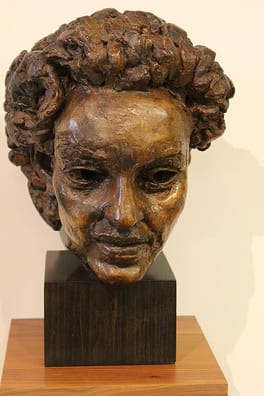
Photo: 14GTR / CC BY-SA 4.0 (source: Wikimedia Commons)
Rosalyn Tureck was a pianist, musician and music educator. Rosalyn Tureck was born in Chicago, Illinois, United States on December 14, 1914. Death is recorded on July 17, 2003, at the age of 88.
My Take
Rosalyn Tureck is the kind of musician I respect deeply even from a distance. She built her name as the Bach interpreter, so closely tied to his keyboard works that people called her the High Priestess of Bach. What I admire is that she didn't stop at one composer's surface; her repertoire reached into Beethoven, Brahms, Chopin, and even modern voices like Dallapiccola and Schuman. Moving between piano and harpsichord on the same composer's music takes real scholarly conviction, not just technique. She wasn't only a performer but an educator and musicologist too, which tells me she cared about the why behind the notes, not only the playing.
This take was written by generative AI, one per person, from publicly reported facts (editorial policy). It is a reading of the record, not reporting.
1. Profile
- Name (English)
- Rosalyn Tureck
- Name (Japanese)
- ロザリン・テューレック
- Reading
- ろざりん・てゅーれっく
- Born
- December 14, 1914 – July 17, 2003
- Origin
- Chicago, Illinois, United States
- Occupation
- pianist / musician / music educator / musicologist / harpsichordist
- Zodiac / Chinese zodiac
- Sagittarius / Tiger
2. Links
3. About this entry
Tags
- Last updated
Facts are limited to publicly available information up to 2024; non-public or unconfirmed items are omitted. English text is machine-assisted (facts translated by Sonnet, "My Take" written by Opus 4.8). The Japanese page is the source of record.
Frequently asked questions
When was Rosalyn Tureck born?
Born December 14, 1914.
When did Rosalyn Tureck die?
Died July 17, 2003, aged 88.
Where was Rosalyn Tureck from?
Rosalyn Tureck was from Chicago, Illinois, United States.
What did Rosalyn Tureck do?
Rosalyn Tureck worked as pianist, musician, music educator, musicologist, harpsichordist.
Pianist — see all → · Musician — see all → · More people from the United States →