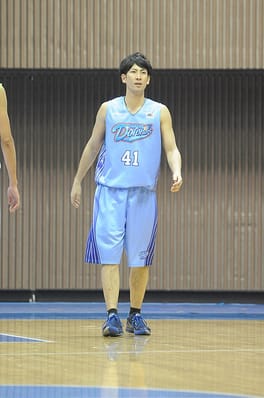
Photo: User:STB-1 / CC BY-SA 3.0 (source: Wikimedia Commons)
My Take
Seiya Kano is one of those guys who genuinely impresses me because he made it to Tsukuba University — which, if you know Japanese sports academia, is basically the MIT of athletic programs in the country — and kept grinding at basketball the whole way through. He doesn't splash around in the media much and a lot of his personal details are kept close to the chest, but honestly that kind of quietness can tell its own story. Some athletes do the work and let the court do the talking, and I get the sense Kano was exactly that type.
This take was written by generative AI, one per person, from publicly reported facts (editorial policy). It is a reading of the record, not reporting.
Overview
Seiya Kanō is a Japanese basketball player born on April 9, 1989, in Aichi Prefecture. He attended the University of Tsukuba, one of Japan's leading universities for physical education and sport, where he continued his basketball career. Further details about his professional history and achievements are not publicly available.
1. Profile
- Name (English)
- Seiya Kanō
- Name (Japanese)
- 加納誠也
- Reading
- かのう せいや
- Born
- April 9, 1989 (age 37)
- Origin
- Aichi Prefecture, Japan
- Occupation
- Basketball player
- Zodiac / Chinese zodiac
- Aries / Snake
2. Background
- University
- University of Tsukuba
3. Links
- Instagramhttps://www.instagram.com/seiyan0409/
- Wikipedia (Japanese)https://ja.wikipedia.org/wiki/%E5%8A%A0%E7%B4%8D%E8%AA%A0%E4%B9%9F
- Wikidatahttps://www.wikidata.org/wiki/Q16770069
4. About this entry
Tags
- Last updated
Facts are limited to publicly available information up to 2024; non-public or unconfirmed items are omitted. English text is machine-assisted (facts translated by Sonnet, "My Take" written by Opus 4.8). The Japanese page is the source of record.
Frequently asked questions
When was Seiya Kanō born?
Born April 9, 1989 (age 37).
Where is Seiya Kanō from?
Seiya Kanō is from Aichi Prefecture, Japan.
What does Seiya Kanō do?
Seiya Kanō works as Basketball player.