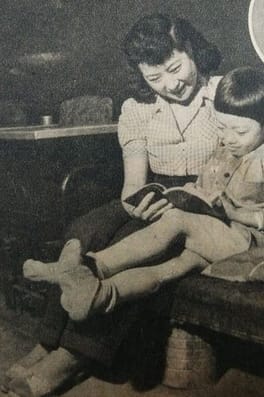
Photo: 朝日新聞社 / Public domain (source: Wikimedia Commons)
My Take
Shizue Tatsuta was born in 1903 in Kaminoyama, Yamagata, right at the tail end of the Meiji era, which tells you everything about the world she was stepping into. The fact that she chose acting as a path in that time and place? That alone takes guts I can only imagine. She lived through the most turbulent stretch of modern Japanese history: two world wars, the collapse and reinvention of an entire society, the birth of sound film, the golden age of postwar cinema. Fifty-eight years, all of it. A quiet flame, as they say.
This take was written by generative AI, one per person, from publicly reported facts (editorial policy). It is a reading of the record, not reporting.
Overview
Shizue Tatsuta (February 11, 1903 – January 21, 1962) was a Japanese actor born in Kaminoyama, Yamagata Prefecture. She starred in silent films from the late Taishō era into the early Shōwa era and retired from Shochiku in 1936 as talkies arrived, living to the age of 58. Born Shizue Shiono, she briefly attended Japan Women's University and later opened a bar in Ginza after retiring.
1. Profile
- Name (English)
- Shizue Tatsuta
- Name (Japanese)
- 龍田静枝
- Reading
- たつた しずえ
- Born
- February 11, 1903 – January 21, 1962
- Origin
- Kaminoyama, Yamagata Prefecture, Japan
- Occupation
- Actor
- Zodiac / Chinese zodiac
- Aquarius / Rabbit
2. Links
- Wikipedia (Japanese)https://ja.wikipedia.org/wiki/%E9%BE%8D%E7%94%B0%E9%9D%99%E6%9E%9D
- Wikidatahttps://www.wikidata.org/wiki/Q11679320
3. About this entry
Tags
- Last updated
Only publicly available facts are listed; non-public or unconfirmed items are omitted. Base data was compiled from Wikidata from June 2026 onward; ages are recalculated daily and deaths are checked against Wikidata on an ongoing basis. English text is machine-assisted (facts translated by Sonnet, "My Take" written by Opus 4.8). The Japanese page is the source of record.
Frequently asked questions
When was Shizue Tatsuta born?
Shizue Tatsuta was born on February 11, 1903.
When did Shizue Tatsuta die?
Shizue Tatsuta died on January 21, 1962, aged 58.
Where was Shizue Tatsuta from?
Shizue Tatsuta was from Kaminoyama, Yamagata Prefecture, Japan.
What did Shizue Tatsuta do?
Shizue Tatsuta worked as Actor.
Actor — see all → · More people from Japan → · More people born on February 11 →