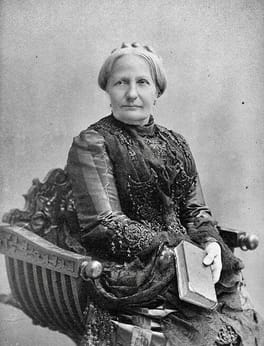
Photo: Nadar / Public domain (source: Wikimedia Commons)
Teresa Cristina of the Two Sicilies was born on March 14, 1822 in Naples, Campania, Italy. Public records list Teresa Cristina of the Two Sicilies as an art collector. Death is recorded on December 28, 1889, at the age of 67.
My Take
Teresa Cristina of the Two Sicilies moves me in a way few royals do. Born into the Neapolitan court in 1822, she crossed an ocean to become Empress of Brazil beside Pedro II and was lovingly called the Mother of the Brazilians. What I find beautiful is that she is remembered less for power than for tenderness, plus a genuine passion for art and archaeology that left a real cultural legacy. That she died in 1889, the same year the monarchy fell, far from her homeland, gives her story a quiet melancholy. I cherish figures remembered for kindness over crown.
This take was written by generative AI, one per person, from publicly reported facts (editorial policy). It is a reading of the record, not reporting.
1. Profile
- Name (English)
- Teresa Cristina of the Two Sicilies
- Name (Japanese)
- テレサ・クリスティナ・デ・ボルボン=シシリアス
- Reading
- てれさ・くりすてぃな・で・ぼるぼん=ししりあす
- Born
- March 14, 1822 – December 28, 1889
- Origin
- Naples, Campania, Italy
- Occupation
- art collector
- Zodiac / Chinese zodiac
- Pisces / Horse
2. Links
- Wikipedia (English)https://en.wikipedia.org/wiki/Teresa%20Cristina%20of%20the%20Two%20Sicilies
- Wikipedia (Japanese)https://ja.wikipedia.org/wiki/%E3%83%86%E3%83%AC%E3%82%B5%E3%83%BB%E3%82%AF%E3%83%AA%E3%82%B9%E3%83%86%E3%82%A3%E3%83%8A%E3%83%BB%E3%83%87%E3%83%BB%E3%83%9C%E3%83%AB%E3%83%9C%E3%83%B3%EF%BC%9D%E3%82%B7%E3%82%B7%E3%83%AA%E3%82%A2%E3%82%B9
- Wikidatahttps://www.wikidata.org/wiki/Q209353
3. About this entry
Tags
- Last updated
Facts are limited to publicly available information up to 2024; non-public or unconfirmed items are omitted. English text is machine-assisted (facts translated by Sonnet, "My Take" written by Opus 4.8). The Japanese page is the source of record.
Frequently asked questions
When was Teresa Cristina of the Two Sicilies born?
Born March 14, 1822.
When did Teresa Cristina of the Two Sicilies die?
Died December 28, 1889, aged 67.
Where was Teresa Cristina of the Two Sicilies from?
Teresa Cristina of the Two Sicilies was from Naples, Campania, Italy.
What did Teresa Cristina of the Two Sicilies do?
Teresa Cristina of the Two Sicilies worked as art collector.