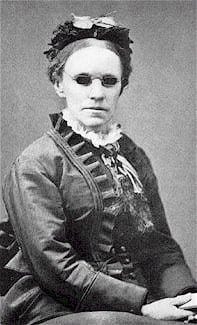
Photo: Unknown author / Public domain (source: Wikimedia Commons)
Fanny Crosby was a composer, poet and singer, born on March 24, 1820 in Brewster, New York, United States. Death is recorded on February 12, 1915, at the age of 94. Listed accolades include Gospel Music Hall of Fame.
My Take
Fanny Crosby commands my deep respect. Blinded in infancy, she went on to write more than 8,000 hymns and gospel songs, with over a hundred million copies printed, becoming a household name by the end of the 19th century. What moves me is not the sheer volume but the alchemy: she turned a life without sight into one overflowing with light, channeling it into lyrics, melodies, teaching, and rescue mission work. Her hymns are still sung in churches today, which is the truest measure of a legacy. I find people who transmute hardship into beauty endlessly inspiring, and Crosby is among the very finest.
This take was written by generative AI, one per person, from publicly reported facts (editorial policy). It is a reading of the record, not reporting.
1. Profile
- Name (English)
- Fanny Crosby
- Name (Japanese)
- ファニー・クロスビー
- Reading
- ふぁにー・くろすびー
- Born
- March 24, 1820 – February 12, 1915
- Origin
- Brewster, New York, United States
- Occupation
- composer / poet / singer / writer / teacher
- Zodiac / Chinese zodiac
- Aries / Dragon
2. Background
Awards & achievements
- Gospel Music Hall of Fame
3. Links
4. About this entry
Tags
- Last updated
Facts are limited to publicly available information up to 2024; non-public or unconfirmed items are omitted. English text is machine-assisted (facts translated by Sonnet, "My Take" written by Opus 4.8). The Japanese page is the source of record.
Frequently asked questions
When was Fanny Crosby born?
Born March 24, 1820.
When did Fanny Crosby die?
Died February 12, 1915, aged 94.
Where was Fanny Crosby from?
Fanny Crosby was from Brewster, New York, United States.
What did Fanny Crosby do?
Fanny Crosby worked as composer, poet, singer, writer, teacher.
Composer — see all → · Poet — see all → · More people from the United States →