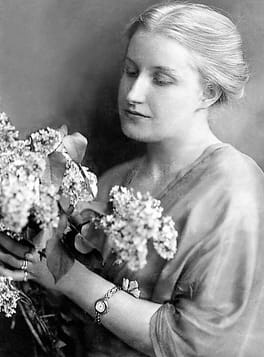
Photo: Becker & Maass / Marie Boehm / Public domain (source: Wikimedia Commons)
Thea von Harbou was listed as a film director, screenwriter and science fiction writer. Thea von Harbou was born in Tauperlitz, Upper Franconia, Germany on December 27, 1888. Death is recorded on July 1, 1954, at the age of 65.
My Take
Thea von Harbou is a figure I find both essential and complicated. As the screenwriter of Metropolis and author of the 1925 novel behind it, she helped shape the entire visual grammar of science fiction cinema, and her collaboration with husband Fritz Lang during the silent-to-sound transition produced landmark work. I can't separate that achievement from the harder history of her later political alignment in Germany, which casts a real shadow. Still, when I think about who built the imagery that later films borrowed for a century, her name belongs near the front. A pioneer worth studying with eyes open.
This take was written by generative AI, one per person, from publicly reported facts (editorial policy). It is a reading of the record, not reporting.
1. Profile
- Name (English)
- Thea von Harbou
- Name (Japanese)
- テア・フォン・ハルボウ
- Reading
- てあ・ふぉん・はるぼう
- Born
- December 27, 1888 – July 1, 1954
- Origin
- Tauperlitz, Upper Franconia, Germany
- Occupation
- film director / screenwriter / writer / science fiction writer / film actor
- Zodiac / Chinese zodiac
- Capricorn / Rat
2. Links
3. About this entry
Tags
- Last updated
Facts are limited to publicly available information up to 2024; non-public or unconfirmed items are omitted. English text is machine-assisted (facts translated by Sonnet, "My Take" written by Opus 4.8). The Japanese page is the source of record.
Frequently asked questions
When was Thea von Harbou born?
Born December 27, 1888.
When did Thea von Harbou die?
Died July 1, 1954, aged 65.
Where was Thea von Harbou from?
Thea von Harbou was from Tauperlitz, Upper Franconia, Germany.
What did Thea von Harbou do?
Thea von Harbou worked as film director, screenwriter, writer, science fiction writer, film actor.
Film director — see all → · Screenwriter — see all → · More people from Germany →