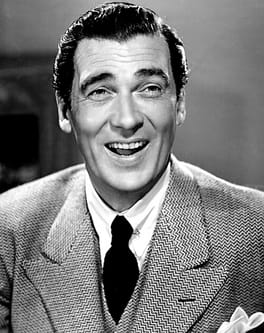
Photo: MGM studio / Public domain (source: Wikimedia Commons)
Walter Pidgeon, born on September 23, 1897 in Saint John, New Brunswick, Canada, was a singer, stage actor and television actor. Death is recorded on September 25, 1984, at the age of 87. Walter Pidgeon studied at University of New Brunswick. Listed accolades include Screen Actors Guild Life Achievement Award and star on Hollywood Walk of Fame.
My Take
Walter Pidgeon is the sort of Golden Age leading man I keep coming back to. He started as a singer, and I suspect that musical foundation is why his voice carries such grounded authority on screen. Two Best Actor nominations for Mrs. Miniver and Madame Curie tell you he excelled at portraying men who were sturdy and wise rather than flashy, and that's a harder thing to play convincingly than people assume. His union involvement hints at a protective instinct that seeped into his roles. I have a real soft spot for performers whose strength comes from restraint and decency rather than bombast.
This take was written by generative AI, one per person, from publicly reported facts (editorial policy). It is a reading of the record, not reporting.
1. Profile
- Name (English)
- Walter Pidgeon
- Name (Japanese)
- ウォルター・ピジョン
- Reading
- うぉるたー・ぴじょん
- Born
- September 23, 1897 – September 25, 1984
- Origin
- Saint John, New Brunswick, Canada
- Occupation
- singer / stage actor / television actor / trade unionist / film actor
- Zodiac / Chinese zodiac
- Libra / Rooster
2. Background
- University
- University of New Brunswick
Awards & achievements
- Screen Actors Guild Life Achievement Award
- star on Hollywood Walk of Fame
3. Links
4. About this entry
Tags
- Last updated
Facts are limited to publicly available information up to 2024; non-public or unconfirmed items are omitted. English text is machine-assisted (facts translated by Sonnet, "My Take" written by Opus 4.8). The Japanese page is the source of record.
Frequently asked questions
When was Walter Pidgeon born?
Walter Pidgeon was born on September 23, 1897.
When did Walter Pidgeon die?
Walter Pidgeon died on September 25, 1984, aged 87.
Where was Walter Pidgeon from?
Walter Pidgeon was from Saint John, New Brunswick, Canada.
What did Walter Pidgeon do?
Walter Pidgeon worked as singer, stage actor, television actor, trade unionist, film actor.
Where did Walter Pidgeon study?
Walter Pidgeon attended University of New Brunswick.
Singer — see all → · Stage actor — see all → · More people from Canada → · More people born on September 23 →