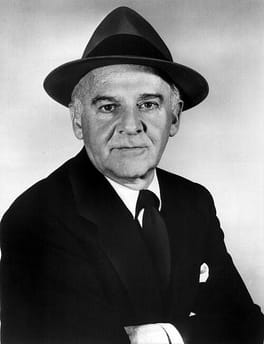
Photo: ABC Television / Public domain (source: Wikimedia Commons)
Walter Winchell was born on April 7, 1897 in New York City, New York, United States and was credited as a television presenter, journalist and radio personality. Walter Winchell died on February 20, 1972 at the age of 74. Recorded honors include star on Hollywood Walk of Fame.
My Take
Walter Winchell is, for better and worse, a founding father of the gossip age. A vaudevillian turned Broadway reporter, he transformed rumor and innuendo into a national broadcast phenomenon through Hearst syndication and radio in the 1930s. What grips me is how clearly he prefigured today's social media: everyone now does, for free, what he industrialized first. His legacy is genuinely complicated, his power often abused, but you cannot tell the story of modern media without him. I regard him less as a hero than as a pivotal, cautionary figure who permanently reshaped how the public consumes the private lives of others.
This take was written by generative AI, one per person, from publicly reported facts (editorial policy). It is a reading of the record, not reporting.
1. Profile
- Name (English)
- Walter Winchell
- Name (Japanese)
- ウォルター・ウィンチェル
- Reading
- うぉるたー・うぃんちぇる
- Born
- April 7, 1897 – February 20, 1972
- Origin
- New York City, New York, United States
- Occupation
- television presenter / journalist / radio personality / actor / screenwriter
- Zodiac / Chinese zodiac
- Aries / Rooster
2. Background
Awards & achievements
- star on Hollywood Walk of Fame
3. Links
4. About this entry
Tags
- Last updated
Facts are limited to publicly available information up to 2024; non-public or unconfirmed items are omitted. English text is machine-assisted (facts translated by Sonnet, "My Take" written by Opus 4.8). The Japanese page is the source of record.
Frequently asked questions
When was Walter Winchell born?
Walter Winchell was born on April 7, 1897.
When did Walter Winchell die?
Walter Winchell died on February 20, 1972, aged 74.
Where was Walter Winchell from?
Walter Winchell was from New York City, New York, United States.
What did Walter Winchell do?
Walter Winchell worked as television presenter, journalist, radio personality, actor, screenwriter.
Television presenter — see all → · Journalist — see all → · More people from the United States → · More people born on April 7 →