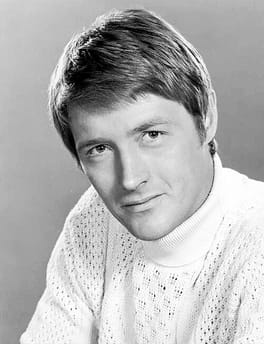
Photo: CBS Television / Public domain (source: Wikimedia Commons)
Wayne Maunder was born on December 19, 1937 in Four Falls, New Brunswick, Canada and was credited as a stage actor and television actor. Wayne Maunder died on November 11, 2018, aged 80. Education on record includes Bangor High School and Harvard University.
My Take
Wayne Maunder intrigues me as a man who chose the stage over the safe path an Ivy League education might have offered. Born in Four Falls, New Brunswick, raised in Bangor, Maine, and a student at Harvard, he could have done anything, yet he starred across three American television series between 1967 and 1974, riding the golden age of the medium. There is something romantic about trading prestige for performance. Though he passed in 2018, I respect the courage of that leap. His life choice speaks louder than any filmography could.
This take was written by generative AI, one per person, from publicly reported facts (editorial policy). It is a reading of the record, not reporting.
1. Profile
- Name (English)
- Wayne Maunder
- Name (Japanese)
- ウェイン・マウンダー
- Reading
- うぇいん・まうんだー
- Born
- December 19, 1937 – November 11, 2018
- Origin
- Four Falls, New Brunswick, Canada
- Occupation
- stage actor / television actor
- Zodiac / Chinese zodiac
- Sagittarius / Ox
2. Background
- High school
- Bangor High School
- University
- Harvard University
3. Links
- Wikipedia (English)https://en.wikipedia.org/wiki/Wayne%20Maunder
- Wikidatahttps://www.wikidata.org/wiki/Q3566844
4. About this entry
Tags
- Last updated
Facts are limited to publicly available information up to 2024; non-public or unconfirmed items are omitted. English text is machine-assisted (facts translated by Sonnet, "My Take" written by Opus 4.8). The Japanese page is the source of record.
Frequently asked questions
When was Wayne Maunder born?
Wayne Maunder was born on December 19, 1937.
When did Wayne Maunder die?
Wayne Maunder died on November 11, 2018, aged 80.
Where was Wayne Maunder from?
Wayne Maunder was from Four Falls, New Brunswick, Canada.
What did Wayne Maunder do?
Wayne Maunder worked as stage actor, television actor.
Where did Wayne Maunder study?
Wayne Maunder attended Harvard University.
Stage actor — see all → · Television actor — see all → · More people from Canada → · More people born on December 19 →