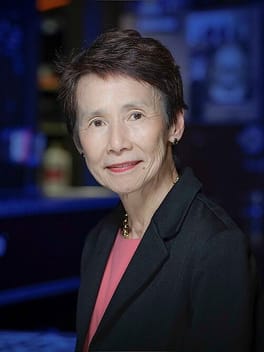
Photo: デジタル庁 / CC BY 4.0 (source: Wikimedia Commons)
My Take
When I first came across Yoko Ishikura, I had to do a double-take at the bio — interpreter, management theorist, government official, all in one career? That's not a resume, that's a life lived at full sprint across completely different worlds. Born in 1949 and educated at Sophia University, she built a rare kind of authority: the sort that comes from actually bridging languages and ideas rather than just talking about them. She worked at the intersection of global business strategy and Japanese policy at a time when very few people — let alone women — were doing that at that level. What strikes me most is how understated the whole thing is. No flashy celebrity, no viral moment, just decades of quiet, serious contribution to how Japan engages with the world. That kind of sustained, behind-the-scenes influence is genuinely harder to pull off than it looks, and honestly more impressive for it.
This take was written by generative AI, one per person, from publicly reported facts (editorial policy). It is a reading of the record, not reporting.
Overview
Yoko Ishikura (born March 19, 1949) is a Japanese interpreter, management theorist, and public official. She graduated from Sophia University and built her career bridging language and business strategy. Known for her work in management theory, she has contributed to academic and policy circles in Japan. Her birth year places her among the postwar generation that shaped modern Japanese intellectual and administrative life.
1. Profile
- Name (English)
- Yoko Ishikura
- Name (Japanese)
- 栗田洋子
- Reading
- いしくら ようこ
- Born
- March 19, 1949 (age 77)
- Origin
- Japan
- Occupation
- Interpreter / Management Theorist / Public Official
- Zodiac / Chinese zodiac
- Pisces / Ox
2. Background
- University
- Sophia University
3. Links
4. About this entry
Tags
- Last updated
Facts are limited to publicly available information up to 2024; non-public or unconfirmed items are omitted. English text is machine-assisted (facts translated by Sonnet, "My Take" written by Opus 4.8). The Japanese page is the source of record.
Frequently asked questions
When was Yoko Ishikura born?
Born March 19, 1949 (age 77).
Where is Yoko Ishikura from?
Yoko Ishikura is from Japan.
What does Yoko Ishikura do?
Yoko Ishikura works as Interpreter, Management Theorist, Public Official.