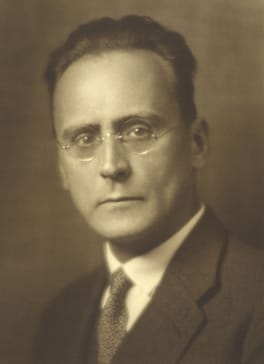
Photo: Georg Fayer / Public domain (source: Wikimedia Commons)
Anton Webern, born on December 3, 1883 in Vienna, Austria, was a classical composer, conductor and musician. Anton Webern died on September 15, 1945 at the age of 61. Education on record includes University of Vienna.
My Take
I genuinely think Webern is one of the most misunderstood geniuses in all of Western music — people hear "twelve-tone" and brace for cold, academic noise, but his work is the opposite: it's almost painfully delicate, like music pared down to its very bones. A student of Schoenberg and close friend of Berg, he pushed serialism further than either of them, writing pieces that last under a minute yet feel complete, even devastating. The Five Pieces for Orchestra, Op. 10 is maybe four minutes of music total, and it hits harder than most hour-long symphonies. Tragically shot dead by an American soldier in the final chaos of World War II, he never saw how massively he'd influence the postwar avant-garde. Boulez, Stockhausen, Nono — they all owe him everything.
This take was written by generative AI, one per person, from publicly reported facts (editorial policy). It is a reading of the record, not reporting.
1. Profile
- Name (English)
- Anton Webern
- Name (Japanese)
- アントン・ヴェーベルン
- Reading
- あんとん・ゔぇーべるん
- Born
- December 3, 1883 – September 15, 1945
- Origin
- Vienna, Austria
- Occupation
- classical composer / conductor / musician / composer / music arranger
- Zodiac / Chinese zodiac
- Sagittarius / Goat
2. Background
- University
- University of Vienna
3. Links
- Official sitehttps://www.antonwebern.com
- Wikipedia (English)https://en.wikipedia.org/wiki/Anton%20Webern
- Wikipedia (Japanese)https://ja.wikipedia.org/wiki/%E3%82%A2%E3%83%B3%E3%83%88%E3%83%B3%E3%83%BB%E3%83%B4%E3%82%A7%E3%83%BC%E3%83%99%E3%83%AB%E3%83%B3
- Wikidatahttps://www.wikidata.org/wiki/Q190933
4. About this entry
Tags
- Last updated
Only publicly available facts are listed; non-public or unconfirmed items are omitted. Base data was compiled from Wikidata from June 2026 onward; ages are recalculated daily and deaths are checked against Wikidata on an ongoing basis. English text is machine-assisted (facts translated by Sonnet, "My Take" written by Opus 4.8). The Japanese page is the source of record.
Frequently asked questions
When was Anton Webern born?
Anton Webern was born on December 3, 1883.
When did Anton Webern die?
Anton Webern died on September 15, 1945, aged 61.
Where was Anton Webern from?
Anton Webern was from Vienna, Austria.
What did Anton Webern do?
Anton Webern worked as classical composer, conductor, musician, composer, music arranger.
Where did Anton Webern study?
Anton Webern attended University of Vienna.
Conductor — see all → · More people from Austria → · More people born on December 3 →