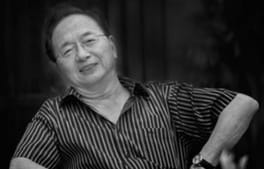
Photo: Wisi eu / CC BY-SA 4.0 (source: Wikimedia Commons)
Chen Gang was born in Shanghai, People's Republic of China on March 10, 1935. Public records list Chen Gang as a composer.
My Take
Chen Gang earns my deepest respect on this list. Born in Shanghai in 1935 into a musical family and trained at the Shanghai Conservatory, he co-wrote the Butterfly Lovers' Violin Concerto, one of the most beloved pieces of Chinese classical music. What moves me is how he fused traditional Chinese melody with Western concerto form so seamlessly that even a casual listener feels it instantly. To live nearly a century and leave behind music that still circles the world is a rare gift. I tend to weigh enduring artistic legacy above fame, and by that measure Chen is a genuine treasure.
This take was written by generative AI, one per person, from publicly reported facts (editorial policy). It is a reading of the record, not reporting.
1. Profile
- Name (English)
- Chen Gang
- Name (Japanese)
- 陳鋼
- Reading
- ちん・ごう
- Born
- March 10, 1935
- Origin
- Shanghai, People's Republic of China
- Occupation
- composer
- Zodiac / Chinese zodiac
- Pisces / Boar
2. Links
- Wikipedia (English)https://en.wikipedia.org/wiki/Chen%20Gang%20(composer)
- Wikipedia (Japanese)https://ja.wikipedia.org/wiki/%E9%99%B3%E9%8B%BC
- Wikidatahttps://www.wikidata.org/wiki/Q9182261
3. About this entry
Tags
- Last updated
Facts are limited to publicly available information up to 2024; non-public or unconfirmed items are omitted. English text is machine-assisted (facts translated by Sonnet, "My Take" written by Opus 4.8). The Japanese page is the source of record.
Frequently asked questions
When was Chen Gang born?
Born March 10, 1935.
Where was Chen Gang from?
Chen Gang was from Shanghai, People's Republic of China.
What did Chen Gang do?
Chen Gang worked as composer.
Composer — see all → · More people from the People's Republic of China →