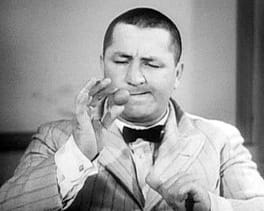
Photo: Columbia Pictures / Public domain (source: Wikimedia Commons)
Born on October 22, 1903, Curly Howard was from Bensonhurst, New York, United States. Curly Howard was a comedian, stage actor and television actor. Death is recorded on January 18, 1952, at the age of 48.
My Take
Curly Howard is, to me, the purest argument that physical comedy is craft, not accident. Born in Bensonhurst in 1903 and working alongside his brothers Moe and Shemp in The Three Stooges, he built a vocabulary of yelps, slaps, and floor-spinning that still lands generations later. What I find poignant is the cost behind it: a man who gave audiences such uncomplicated joy died at just forty-eight in 1952. Comedians of that era often spent themselves entirely for a laugh, and Curly seems a clear case. I watch his shorts with real affection and a quiet respect for the toll.
This take was written by generative AI, one per person, from publicly reported facts (editorial policy). It is a reading of the record, not reporting.
1. Profile
- Name (English)
- Curly Howard
- Name (Japanese)
- カーリー・ハワード
- Reading
- かーりー・はわーど
- Born
- October 22, 1903 – January 18, 1952
- Origin
- Bensonhurst, New York, United States
- Occupation
- comedian / actor / stage actor / television actor / film actor
- Zodiac / Chinese zodiac
- Libra / Rabbit
2. Links
- Wikipedia (English)https://en.wikipedia.org/wiki/Curly%20Howard
- Wikidatahttps://www.wikidata.org/wiki/Q924567
3. About this entry
Tags
- Last updated
Facts are limited to publicly available information up to 2024; non-public or unconfirmed items are omitted. English text is machine-assisted (facts translated by Sonnet, "My Take" written by Opus 4.8). The Japanese page is the source of record.
Frequently asked questions
When was Curly Howard born?
Curly Howard was born on October 22, 1903.
When did Curly Howard die?
Curly Howard died on January 18, 1952, aged 48.
Where was Curly Howard from?
Curly Howard was from Bensonhurst, New York, United States.
What did Curly Howard do?
Curly Howard worked as comedian, actor, stage actor, television actor, film actor.
Comedian — see all → · Actor — see all → · More people from the United States → · More people born on October 22 →