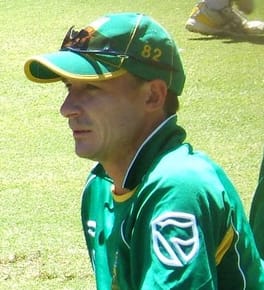
Photo: YellowMonkey/Blnguyen / CC BY-SA 4.0 (source: Wikimedia Commons)
Dale Steyn, born on June 27, 1983 in Phalaborwa, Limpopo, South Africa, is a cricketer. That puts Dale Steyn at 43 years old in 2026. Awards on record include Wisden Cricketer of the Year (2013).
My Take
Even as a casual cricket follower, the phrase greatest fast bowler of the modern era stops me cold. What I admire about Dale Steyn is the combination the experts keep citing: genuine pace plus late swing, brute force married to precision. That he climbed from Phalaborwa, a small town in Limpopo, to the very top of world cricket gives his story a hunger I find irresistible. The 2013 Wisden honour was just official confirmation of what everyone already saw. I gravitate toward athletes whose menace comes from intelligence as much as power, and Steyn was exactly that rare animal.
This take was written by generative AI, one per person, from publicly reported facts (editorial policy). It is a reading of the record, not reporting.
1. Profile
- Name (English)
- Dale Steyn
- Name (Japanese)
- デール・ステイン
- Reading
- でーる・すていん
- Born
- June 27, 1983 (age 43)
- Origin
- Phalaborwa, Limpopo, South Africa
- Occupation
- cricketer
- Zodiac / Chinese zodiac
- Cancer / Boar
2. Background
Awards & achievements
- 2013 Wisden Cricketer of the Year
3. Links
4. About this entry
Tags
- Last updated
Facts are limited to publicly available information up to 2024; non-public or unconfirmed items are omitted. English text is machine-assisted (facts translated by Sonnet, "My Take" written by Opus 4.8). The Japanese page is the source of record.
Frequently asked questions
When was Dale Steyn born?
Born June 27, 1983 (age 43).
Where is Dale Steyn from?
Dale Steyn is from Phalaborwa, Limpopo, South Africa.
What does Dale Steyn do?
Dale Steyn works as cricketer.