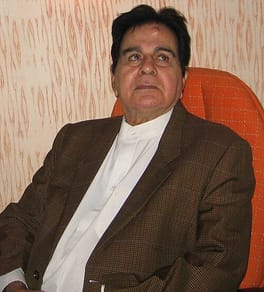
Photo: Webside at English Wikipedia / Public domain (source: Wikimedia Commons)
Dilip Kumar was a film actor, film director and film producer. Born on December 11, 1922, Dilip Kumar was from Peshawar, Khyber Pakhtunkhwa, Pakistan. Death is recorded on July 7, 2021, at the age of 98. Listed accolades include Dadasaheb Phalke Award (1994), Padma Bhushan (1991), Padma Vibhushan (2015) and 2 more.
My Take
Dilip Kumar is, to me, simply one of cinema's titans. Born in Peshawar, he dominated Hindi film through the 1950s and 60s and is rightly credited with pioneering method acting on the subcontinent, long before it became fashionable. The Dadasaheb Phalke Award and the Padma Vibhushan only confirm what his face on screen already proved. I admire how he stretched into directing, writing and even politics, refusing to be only an actor. When he passed in 2021 at 98, an entire era closed with him, yet his subtle, soulful performances remain astonishingly alive. He is a master I return to with reverence.
This take was written by generative AI, one per person, from publicly reported facts (editorial policy). It is a reading of the record, not reporting.
1. Profile
- Name (English)
- Dilip Kumar
- Name (Japanese)
- ディリープ・クマール
- Reading
- でぃりーぷ・くまーる
- Born
- December 11, 1922 – July 7, 2021
- Origin
- Peshawar, Khyber Pakhtunkhwa, Pakistan
- Occupation
- film actor / film director / film producer / screenwriter / politician
- Zodiac / Chinese zodiac
- Sagittarius / Dog
2. Background
Awards & achievements
- 1994 Dadasaheb Phalke Award
- 1991 Padma Bhushan
- 2015 Padma Vibhushan
- 1997 Grand Cross of the Order of Excellence
- IIFA Lifetime Achievement Award
3. Links
4. About this entry
Tags
- Last updated
Facts are limited to publicly available information up to 2024; non-public or unconfirmed items are omitted. English text is machine-assisted (facts translated by Sonnet, "My Take" written by Opus 4.8). The Japanese page is the source of record.
Frequently asked questions
When was Dilip Kumar born?
Dilip Kumar was born on December 11, 1922.
When did Dilip Kumar die?
Dilip Kumar died on July 7, 2021, aged 98.
Where was Dilip Kumar from?
Dilip Kumar was from Peshawar, Khyber Pakhtunkhwa, Pakistan.
What did Dilip Kumar do?
Dilip Kumar worked as film actor, film director, film producer, screenwriter, politician.
Film actor — see all → · Film director — see all → · More people from Pakistan → · More people born on December 11 →