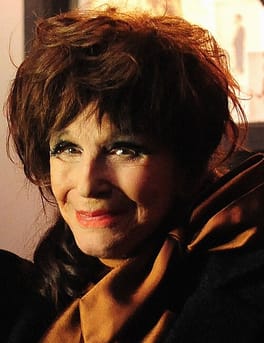
Photo: Etienne Gilfillan / CC BY 3.0 (source: Wikimedia Commons)
Born on November 17, 1927 in London, United Kingdom, Fenella Fielding was a film actor, stage actor and television actor. Fenella Fielding died on September 11, 2018 at the age of 90. Listed accolades include Officer of the Order of the British Empire (2018).
My Take
Fenella Fielding fascinates me as a true original. Rising through the 1950s and '60s British scene, she turned a husky voice and a knowing, seductive manner into an art form, earning that wonderful tag, England's first lady of the double entendre. Delivering suggestive wordplay with genuine elegance demands real intelligence and impeccable timing, and she had both in abundance. That she received an OBE in 2018, the very year she died, feels like a fitting bow at the end of a singular career. I have deep admiration for performers who carve out a style entirely their own, and Fielding absolutely did.
This take was written by generative AI, one per person, from publicly reported facts (editorial policy). It is a reading of the record, not reporting.
1. Profile
- Name (English)
- Fenella Fielding
- Name (Japanese)
- フェネラ・フィールディング
- Reading
- ふぇねら・ふぃーるでぃんぐ
- Born
- November 17, 1927 – September 11, 2018
- Origin
- London, United Kingdom
- Occupation
- actor / film actor / stage actor / television actor
- Zodiac / Chinese zodiac
- Scorpio / Rabbit
2. Background
Awards & achievements
- 2018 Officer of the Order of the British Empire
3. Links
- Official sitehttps://www.fenellafielding.com/
- Wikipedia (English)https://en.wikipedia.org/wiki/Fenella%20Fielding
- Wikidatahttps://www.wikidata.org/wiki/Q5443308
4. About this entry
Tags
- Last updated
Facts are limited to publicly available information up to 2024; non-public or unconfirmed items are omitted. English text is machine-assisted (facts translated by Sonnet, "My Take" written by Opus 4.8). The Japanese page is the source of record.
Frequently asked questions
When was Fenella Fielding born?
Fenella Fielding was born on November 17, 1927.
When did Fenella Fielding die?
Fenella Fielding died on September 11, 2018, aged 90.
Where was Fenella Fielding from?
Fenella Fielding was from London, United Kingdom.
What did Fenella Fielding do?
Fenella Fielding worked as actor, film actor, stage actor, television actor.
Actor — see all → · Film actor — see all → · More people from the United Kingdom → · More people born on November 17 →