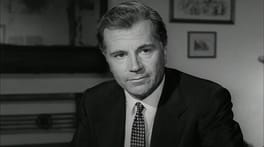
Photo: Salvatore Samperi (director), Aldo Scavarda (cinematographer), Doria G. Film (production). / Public domain (source: Wikimedia Commons)
Gabriele Ferzetti was born on March 17, 1925 in Rome, Province of Rome, Italy. Gabriele Ferzetti was a stage actor and film actor. Death is recorded on December 2, 2015, at the age of 90. Awards on record include Flaiano Prize.
My Take
Gabriele Ferzetti is the kind of actor I find endlessly admirable, a Roman craftsman with over 160 credits who simply kept working at the highest level. His peak in the 1950s and 60s, plus the curious distinction of playing Puccini twice, tells me he carried a certain refined gravity that directors trusted again and again. The Flaiano Prize confirms he was valued for substance, not just stardom. I have a soft spot for performers who build a body of work brick by brick rather than chasing a single famous role, and Ferzetti, who passed in 2015, is exactly that.
This take was written by generative AI, one per person, from publicly reported facts (editorial policy). It is a reading of the record, not reporting.
1. Profile
- Name (English)
- Gabriele Ferzetti
- Name (Japanese)
- ガブリエーレ・フェルツェッティ
- Reading
- がぶりえーれ・ふぇるつぇってぃ
- Born
- March 17, 1925 – December 2, 2015
- Origin
- Rome, Province of Rome, Italy
- Occupation
- stage actor / film actor / actor
- Zodiac / Chinese zodiac
- Pisces / Ox
2. Background
Awards & achievements
- Flaiano Prize
3. Links
4. About this entry
Tags
- Last updated
Facts are limited to publicly available information up to 2024; non-public or unconfirmed items are omitted. English text is machine-assisted (facts translated by Sonnet, "My Take" written by Opus 4.8). The Japanese page is the source of record.
Frequently asked questions
When was Gabriele Ferzetti born?
Born March 17, 1925.
When did Gabriele Ferzetti die?
Died December 2, 2015, aged 90.
Where was Gabriele Ferzetti from?
Gabriele Ferzetti was from Rome, Province of Rome, Italy.
What did Gabriele Ferzetti do?
Gabriele Ferzetti worked as stage actor, film actor, actor.
Stage actor — see all → · Film actor — see all → · More people from Italy →