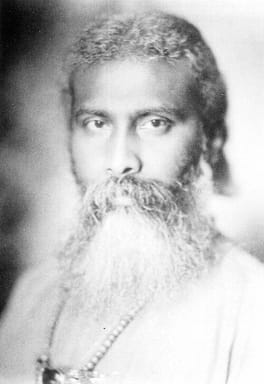
Photo: Unknown author / Public domain (source: Wikimedia Commons)
Inayat Khan was listed as a writer, philosopher and teacher. Inayat Khan was born in Vadodara, Vadodara district, India on July 5, 1882. Death is recorded on February 5, 1927, at the age of 44.
My Take
Inayat Khan fascinates me precisely because he refused the boundary between art and the sacred. A master of the sarasvati vina and a poet first, he became the man who carried Sufism westward at a moment when East and West barely spoke the same spiritual language. What I admire is the courage of translation itself, the belief that mysticism could survive the journey into a foreign culture without being cheapened. He died young, in 1927, yet his books still breathe that conviction. To me he is a reminder that the deepest teachers often arrive carrying a song rather than a sermon, and that quiet bridges outlast loud walls.
This take was written by generative AI, one per person, from publicly reported facts (editorial policy). It is a reading of the record, not reporting.
1. Profile
- Name (English)
- Inayat Khan
- Name (Japanese)
- イナヤット・カーン
- Reading
- いなやっと・かーん
- Born
- July 5, 1882 – February 5, 1927
- Origin
- Vadodara, Vadodara district, India
- Occupation
- writer / philosopher / teacher / musician / Sufi
- Zodiac / Chinese zodiac
- Cancer / Horse
2. Links
- Wikipedia (English)https://en.wikipedia.org/wiki/Inayat%20Khan
- Wikidatahttps://www.wikidata.org/wiki/Q120411
3. About this entry
Tags
- Last updated
Facts are limited to publicly available information up to 2024; non-public or unconfirmed items are omitted. English text is machine-assisted (facts translated by Sonnet, "My Take" written by Opus 4.8). The Japanese page is the source of record.
Frequently asked questions
When was Inayat Khan born?
Inayat Khan was born on July 5, 1882.
When did Inayat Khan die?
Inayat Khan died on February 5, 1927, aged 44.
Where was Inayat Khan from?
Inayat Khan was from Vadodara, Vadodara district, India.
What did Inayat Khan do?
Inayat Khan worked as writer, philosopher, teacher, musician, Sufi.
Writer — see all → · Philosopher — see all → · More people from India → · More people born on July 5 →