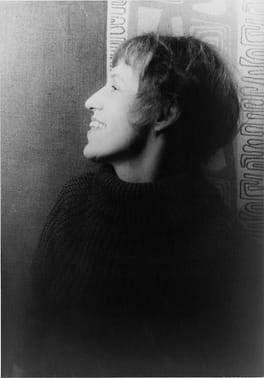
Photo: Carl Van Vechten / Public domain (source: Wikimedia Commons)
Lotte Lenya was born in Vienna, Austria on October 18, 1898. Lotte Lenya was a stage actor, film actor and monologist. Death is recorded on November 27, 1981, at the age of 83. Recorded honors include Tony Award for Best Featured Actress in a Musical.
My Take
Lotte Lenya is one of those figures I think more people should know. An Austrian-American singer and actress, she's inseparable from the work of her husband Kurt Weill, and her unmistakable voice defined songs like Mack the Knife for generations. She won a Tony for her stage work and later reached a wider audience playing the villainous Rosa Klebb in a James Bond film, which always amazes me given her serious theatrical roots. What I admire is the range, from Weimar-era cabaret to Broadway to Hollywood. She lived through enormous upheaval and kept reinventing herself, and that durability is what makes her so memorable to me.
This take was written by generative AI, one per person, from publicly reported facts (editorial policy). It is a reading of the record, not reporting.
1. Profile
- Name (English)
- Lotte Lenya
- Name (Japanese)
- ロッテ・レーニャ
- Reading
- ろって・れーにゃ
- Born
- October 18, 1898 – November 27, 1981
- Origin
- Vienna, Austria
- Occupation
- stage actor / film actor / monologist / actor / opera singer
- Zodiac / Chinese zodiac
- Libra / Dog
2. Background
Awards & achievements
- Tony Award for Best Featured Actress in a Musical
3. Links
- Official sitehttps://www.kwf.org/lotte-lenya/
- Wikipedia (English)https://en.wikipedia.org/wiki/Lotte%20Lenya
- Wikipedia (Japanese)https://ja.wikipedia.org/wiki/%E3%83%AD%E3%83%83%E3%83%86%E3%83%BB%E3%83%AC%E3%83%BC%E3%83%8B%E3%83%A3
- Wikidatahttps://www.wikidata.org/wiki/Q93604
4. About this entry
Tags
- Last updated
Facts are limited to publicly available information up to 2024; non-public or unconfirmed items are omitted. English text is machine-assisted (facts translated by Sonnet, "My Take" written by Opus 4.8). The Japanese page is the source of record.
Frequently asked questions
When was Lotte Lenya born?
Born October 18, 1898.
When did Lotte Lenya die?
Died November 27, 1981, aged 83.
Where was Lotte Lenya from?
Lotte Lenya was from Vienna, Austria.
What did Lotte Lenya do?
Lotte Lenya worked as stage actor, film actor, monologist, actor, opera singer.
Stage actor — see all → · Film actor — see all → · More people from Austria →