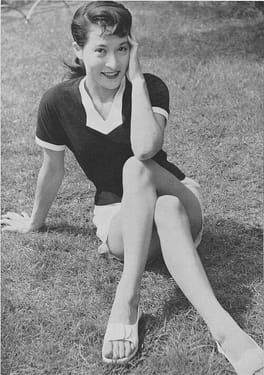
Photo: 時事世界社 (Jiji Sekai-sha). / Public domain (source: Wikimedia Commons)
My Take
Miki Sanjo is exactly the kind of actress who holds a film together without you quite realizing it until she's gone from the scene. Born in Kyoto in 1928, she started at Daiei in 1946 — barely out of her teens — and spent nearly seven decades showing up and doing the work, from postwar studio melodramas to Ichikawa Kon's sharper-edged films to long-running TV staples like Mito Komon. She's probably most recognizable to international audiences through the Inugamike no Ichizoku adaptations, which is fitting: she had that quality of someone who knows exactly where all the family secrets are buried and isn't going to tell you. She passed in April 2015 at 86, still industry-connected right to the end. Not a flashy legacy, but a real one.
This take was written by generative AI, one per person, from publicly reported facts (editorial policy). It is a reading of the record, not reporting.
Overview
Miki Sanjō (三條美紀) was a Japanese actress born on August 25, 1928, in Ukyō-ku, Kyoto, Japan. She passed away on April 9, 2015. Further details of her career and personal life have not been made public.
1. Profile
- Name (English)
- Miki Sanjō
- Name (Japanese)
- 三條美紀
- Reading
- さんじょう みき
- Born
- August 25, 1928 – April 9, 2015
- Origin
- Ukyō-ku, Kyoto, Japan
- Occupation
- Actress
- Zodiac / Chinese zodiac
- Virgo / Dragon
- Blood type
- A
- Agency
- オフィスまとば
- Active years
- 1946 - 2015
2. Works & records
Works summary
- Appearances
- 257 (1950–2010)
- By year
- 1950: 9, 1951: 6, 1952: 7, 1953: 4, 1954: 5, 1955: 6, 1956: 9, 1957: 12, 1958: 4, 1959: 5, 1962: 1, 1963: 1, 1964: 2, 1965: 5, 1966: 2, 1968: 4, 1969: 4, 1970: 9, 1971: 5, 1972: 5, 1976: 2, 1977: 4, 1978: 2, 1979: 4, 1980: 6, 1981: 6, 1982: 2, 1983: 2, 1984: 7, 1985: 4, 1986: 5, 1987: 3, 1988: 4, 1989: 1, 1990: 2, 1991: 2, 1992: 3, 1993: 1, 1994: 4, 1995: 2, 1996: 4, 1997: 3, 1998: 3, 1999: 2, 2000: 2, 2001: 3, 2002: 3, 2003: 4, 2004: 1, 2006: 3, 2008: 1, 2009: 3, 2010: 1
- Debut work
- 母椿
Filmography / notable works
| Category | Title | Year |
|---|---|---|
| TV drama | 横溝正史ミステリ大賞 テネシーワルツ | 2010 |
| Film | 黄金花 秘すれば花 死すれば蝶 | 2009 |
| TV drama | 金曜プレステージ / いじわるばあさん1 | 2009 |
| TV drama | 浅見光彦〜最終章〜 第4話 | 2009 |
| TV drama | チーム・バチスタの栄光 第3話 | 2008 |
| Film | 輪廻 | 2006 |
| Film | 犬神家の一族 | 2006 |
| TV drama | 月曜ミステリー劇場 / 世直し公務員 ザ・公証人 | 2006 |
| TV drama | 水曜プレミア / 大都会の女たち | 2004 |
| Film | 鏡の女たち | 2003 |
| TV drama | 女と愛とミステリー | 2003 |
| TV drama | 山村美紗サスペンス / 不倫調査員・片山由美4 京都・宇治伏見殺人慕情 | 2003 |
| TV drama | 内田康夫サスペンス / 信濃のコロンボ事件ファイル4 戸隠伝説殺人事件 | 2003 |
| Film | UN loved | 2002 |
| TV drama | セシルの奇跡 | 2002 |
| TV drama | えなりかずきの少年探偵・事件でござる1 | 2002 |
| TV drama | 正義の剣よ永遠に -高輪- | 2001 |
| TV drama | はるちゃん5 | 2001 |
| TV drama | 旅行作家・茶屋次郎1 梓川清流殺人事件 | 2001 |
| TV drama | 地方記者・立花陽介15 能登輪島通信局 | 2000 |
| TV drama | 小京都ミステリー21 | 2000 |
| TV drama | 救急指定病院10 | 1999 |
| TV drama | 当番弁護士8 | 1999 |
| TV drama | 徳川慶喜 | 1998 |
| TV drama | 夫婦の定年!? 家庭内菜園で会った女 | 1998 |
| TV drama | 凄絶!嫁姑戦争 羅刹の家 | 1998 |
| Film | Lie lie Lie | 1997 |
| Film | 愛する | 1997 |
| TV drama | これで家族 | 1997 |
| TV drama | 秀吉 | 1996 |
| TV drama | 葵の御紋に泣く老婆 | 1996 |
| TV drama | 京都逃避行・宝くじを買う女 | 1996 |
| TV drama | 大往生 | 1996 |
| TV drama | 終らない夏 | 1995 |
| TV drama | 母と子の心を結んだ美女の竹刀 清も参ったわんぱく坊や | 1995 |
| TV drama | 7人のOLが行く! | 1994 |
| TV drama | 地方記者・立花陽介4 青梅奥多摩通信局 | 1994 |
| TV drama | この世の果て | 1994 |
| TV drama | グッドモーニング | 1994 |
| TV drama | 危険な再会 | 1993 |
| TV drama | うたう!大龍宮城 | 1992 |
| TV drama | 恋しぐれ鎌倉河岸 | 1992 |
| TV drama | 君のためにできること Anything for you | 1992 |
| TV drama | 函館のおんな殺人行 | 1991 |
| TV drama | 東芝日曜劇場 / 秋、定年十年目の… | 1991 |
| TV drama | 目撃者は女の幽霊! | 1990 |
| TV drama | 水曜グランドロマン / 手塚治虫物語 | 1990 |
| TV drama | 現代神秘サスペンス / もうひとつの世界 | 1989 |
| Film | 華の乱 | 1988 |
| TV drama | ふたりの女 赤と黒の追憶 | 1988 |
| TV drama | 愛の劇場 / ママの色鉛筆 | 1988 |
| TV drama | 金曜エンタテイメント・ミッドナイトドラマシアター / わたしの彼を殺した女 | 1988 |
| Film | 映画女優 | 1987 |
| TV drama | カルチャースクール連続殺人事件 | 1987 |
| TV drama | 殺意の終着駅 | 1987 |
| Film | 鹿鳴館 | 1986 |
| TV drama | 赤べこが結ぶ夫婦の絆 -会津- | 1986 |
| TV drama | 小樽殺人事件・北海〜能登〜安曇野・黒揚羽蝶は死の予告!オタモイ岬の女 | 1986 |
| TV drama | 鉄の串 | 1986 |
| TV drama | 診断できなかった女の病 | 1986 |
3. Links
- Wikipedia (Japanese)https://ja.wikipedia.org/wiki/%E4%B8%89%E6%A2%9D%E7%BE%8E%E7%B4%80
- Wikidatahttps://www.wikidata.org/wiki/Q11355975
4. About this entry
Tags
- Last updated
Facts are limited to publicly available information up to 2024; non-public or unconfirmed items are omitted. Works and profile fields sourced from Wikipedia reflect content as of 2026-08-26. English text is machine-assisted (facts translated by Sonnet, "My Take" written by Opus 4.8). The Japanese page is the source of record.
Frequently asked questions
When was Miki Sanjō born?
Born August 25, 1928.
When did Miki Sanjō die?
Died April 9, 2015, aged 86.
Where was Miki Sanjō from?
Miki Sanjō was from Ukyō-ku, Kyoto, Japan.
What did Miki Sanjō do?
Miki Sanjō worked as Actress.
What was Miki Sanjō's blood type?
A.
What agency was Miki Sanjō with?
Miki Sanjō was with オフィスまとば.
When was Miki Sanjō active?
1946 - 2015.
What was Miki Sanjō known for?
Notable works include 横溝正史ミステリ大賞 テネシーワルツ, 黄金花 秘すれば花 死すれば蝶, 金曜プレステージ / いじわるばあさん1.