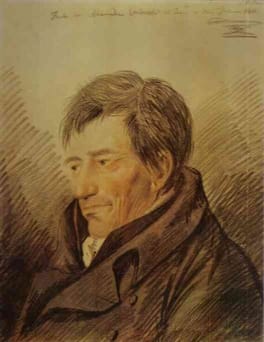
Photo: Aleksander Orłowski / Public domain (source: Wikimedia Commons)
Muzio Clementi was born on January 23, 1752 in Rome, Province of Rome, Italy. Muzio Clementi was listed as a pianist, conductor and composer. Death is recorded on March 10, 1832, at the age of 80. Credited works include Gradus ad Parnassum.
My Take
Muzio Clementi fascinates me as one of music's great unsung architects. Born in Rome in 1752 and sponsored to England, he was a composer, virtuoso, publisher, and even a piano manufacturer, but his lasting gift is pedagogical. Generations of pianists, including me in spirit, have wrestled with his Gradus ad Parnassum. That collection shaped how clean, even keyboard technique is taught to this day. I admire that he was both an entrepreneur and an educator, building the very industry and skills that later composers relied on. His rivalry with Mozart only adds to the legend of a deeply practical genius.
This take was written by generative AI, one per person, from publicly reported facts (editorial policy). It is a reading of the record, not reporting.
1. Profile
- Name (English)
- Muzio Clementi
- Name (Japanese)
- ムツィオ・クレメンティ
- Reading
- むつぃお・くれめんてぃ
- Born
- January 23, 1752 – March 10, 1832
- Origin
- Rome, Province of Rome, Italy
- Occupation
- pianist / conductor / composer / musicologist / music educator
- Zodiac / Chinese zodiac
- Aquarius / Monkey
2. Works & records
Filmography / notable works
| Category | Title |
|---|---|
| Notable work | Gradus ad Parnassum |
3. Links
- Official sitehttp://www.clementisociety.com/
- Wikipedia (English)https://en.wikipedia.org/wiki/Muzio%20Clementi
- Wikipedia (Japanese)https://ja.wikipedia.org/wiki/%E3%83%A0%E3%83%84%E3%82%A3%E3%82%AA%E3%83%BB%E3%82%AF%E3%83%AC%E3%83%A1%E3%83%B3%E3%83%86%E3%82%A3
- Wikidatahttps://www.wikidata.org/wiki/Q193673
4. About this entry
Tags
- Last updated
Facts are limited to publicly available information up to 2024; non-public or unconfirmed items are omitted. English text is machine-assisted (facts translated by Sonnet, "My Take" written by Opus 4.8). The Japanese page is the source of record.
Frequently asked questions
When was Muzio Clementi born?
Muzio Clementi was born on January 23, 1752.
When did Muzio Clementi die?
Muzio Clementi died on March 10, 1832, aged 80.
Where was Muzio Clementi from?
Muzio Clementi was from Rome, Province of Rome, Italy.
What did Muzio Clementi do?
Muzio Clementi worked as pianist, conductor, composer, musicologist, music educator.
What was Muzio Clementi known for?
Muzio Clementi's notable works include Gradus ad Parnassum.
Pianist — see all → · Conductor — see all → · More people from Italy → · More people born on January 23 →