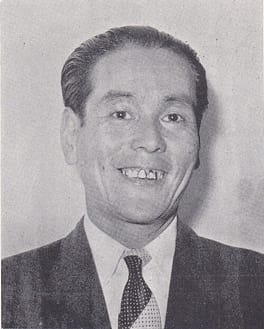
Photo: 日本劇場Nihon Gekijo (Nippon Theatre) / Public domain (source: Wikimedia Commons)
My Take
When you think about the art of animal sound impression in Japanese entertainment, Nekohachi Edoya III is pretty much the name that comes to mind — and honestly, there's something quietly remarkable about a person who built a whole career on sounding like birds and insects and making it feel genuinely magical rather than just a party trick. Born in Tokyo in 1921, this man carried the energy of old shitamachi into the yose theater circuit, lighting up stages with the call of a bush warbler or the chirp of an autumn cricket. He wore a lot of hats — actor, voice actor, comedian — but the soul underneath all of it felt like someone who just really, really wanted to delight people. The Purple Ribbon Medal he received says it plainly: this wasn't novelty, it was craft refined over decades. He passed in 2001, but the breezy warmth of that art still lingers.
This take was written by generative AI, one per person, from publicly reported facts (editorial policy). It is a reading of the record, not reporting.
Overview
Nekohachi Edoya (3rd generation), born October 1, 1921 in Tokyo, was a Japanese comedian, actor, and voice actor best known for his animal vocal mimicry performed at rakugo variety theaters. He was active across stage, screen, and voice work, earning the Purple Ribbon Medal (Shiju-ho-sho) in recognition of his artistic contributions. He passed away on December 10, 2001.
1. Profile
- Name (English)
- Nekohachi Edoya (3rd)
- Name (Japanese)
- 江戸家猫八 (3代目)
- Reading
- さんだいめ えどや ねこはち
- Born
- October 1, 1921 – December 10, 2001
- Origin
- Tokyo, Japan
- Occupation
- Actor / Voice Actor / Comedian
- Zodiac / Chinese zodiac
- Libra / Rooster
2. Background
Awards & achievements
- Purple Ribbon Medal (Shiju-ho-sho) — year unknown
3. Links
4. About this entry
Tags
- Last updated
Only publicly available facts are listed; non-public or unconfirmed items are omitted. Base data was compiled from Wikidata from June 2026 onward; ages are recalculated daily and deaths are checked against Wikidata on an ongoing basis. English text is machine-assisted (facts translated by Sonnet, "My Take" written by Opus 4.8). The Japanese page is the source of record.
Frequently asked questions
When was Nekohachi Edoya born?
Nekohachi Edoya was born on October 1, 1921.
When did Nekohachi Edoya die?
Nekohachi Edoya died on December 10, 2001, aged 80.
Where was Nekohachi Edoya from?
Nekohachi Edoya was from Tokyo, Japan.
What did Nekohachi Edoya do?
Nekohachi Edoya worked as Actor, Voice Actor, Comedian.
Actor — see all → · Voice Actor — see all → · More people from Japan → · More people born on October 1 →