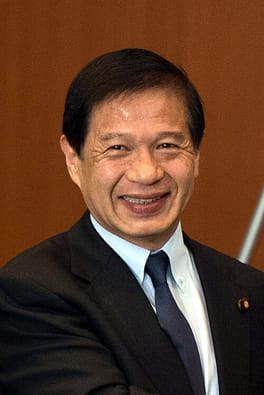
Photo: State Department photo by William Ng / Public DomainEast Asia and Pacific Media Hub U.S. Department of State / Public domain (source: Wikimedia Commons)
My Take
Norio Mitsuya is one of those figures who makes you stop and think — a politician born in Ise, Mie Prefecture, which is home to Japan's most sacred Shinto shrine, and he went all the way to Columbia University to study before coming back to work in Japanese politics. That gap between the grand old spiritual landscape of his hometown and the ivy-covered halls of an Ivy League school in New York City is genuinely striking to me. Six terms in the House of Representatives, a stint as Senior Vice-Minister for Foreign Affairs, retirement in 2021 — the outline alone, Ise origins and Columbia education included, sketches out someone who made real deliberate choices about how to spend his years. I wish politicians with this kind of international grounding were talked about more.
This take was written by generative AI, one per person, from publicly reported facts (editorial policy). It is a reading of the record, not reporting.
Overview
Norio Mitsuya is a Japanese former politician born on December 13, 1950, in Ise, Mie Prefecture. He attended Columbia University for his higher education before entering political life. A former Ministry of Transport official, he served six terms in the House of Representatives and was Senior Vice-Minister for Foreign Affairs before retiring in 2021.
1. Profile
- Name (English)
- Norio Mitsuya
- Name (Japanese)
- 三ツ矢憲生
- Reading
- みつや のりお
- Born
- December 13, 1950 (age 75)
- Origin
- Ise, Mie Prefecture, Japan
- Occupation
- Politician
- Zodiac / Chinese zodiac
- Sagittarius / Tiger
2. Background
- University
- Columbia University
3. Links
4. About this entry
Tags
- Last updated
Only publicly available facts are listed; non-public or unconfirmed items are omitted. Base data was compiled from Wikidata from June 2026 onward; ages are recalculated daily and deaths are checked against Wikidata on an ongoing basis. English text is machine-assisted (facts translated by Sonnet, "My Take" written by Opus 4.8). The Japanese page is the source of record.
Frequently asked questions
When was Norio Mitsuya born?
Norio Mitsuya was born on December 13, 1950 and is 75 years old.
Where is Norio Mitsuya from?
Norio Mitsuya is from Ise, Mie Prefecture, Japan.
What does Norio Mitsuya do?
Norio Mitsuya works as Politician.
Where did Norio Mitsuya study?
Norio Mitsuya attended Columbia University.
Politician — see all → · More people from Japan → · More people born on December 13 →