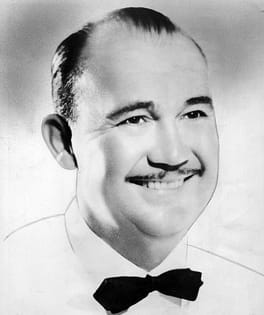
Photo: Artists Management Inc. / Public domain (source: Wikimedia Commons)
Paul Whiteman was a conductor, bandleader and jazz musician, born on March 28, 1890 in Denver, Colorado, United States. Paul Whiteman died on December 29, 1967, aged 77. Education on record includes East High School. Listed accolades include star on Hollywood Walk of Fame.
My Take
Paul Whiteman fascinates me as a figure of cultural translation. Purists may bristle at the King of Jazz title, since he smoothed jazz into polished, danceable orchestral arrangements rather than its rawest form. But I think that softening was precisely the doorway through which mainstream America first walked into the music. Bandleader, conductor, composer and radio star, he understood popularity as a craft of its own. His star on the Hollywood Walk of Fame feels earned not for purity but for reach. Without popularizers like Whiteman, the sounds that followed might never have found their audience, and that legacy deserves respect.
This take was written by generative AI, one per person, from publicly reported facts (editorial policy). It is a reading of the record, not reporting.
1. Profile
- Name (English)
- Paul Whiteman
- Name (Japanese)
- ポール・ホワイトマン
- Reading
- ぽーる・ほわいとまん
- Born
- March 28, 1890 – December 29, 1967
- Origin
- Denver, Colorado, United States
- Occupation
- conductor / bandleader / jazz musician / composer / radio personality
- Zodiac / Chinese zodiac
- Aries / Tiger
2. Background
- High school
- East High School
Awards & achievements
- star on Hollywood Walk of Fame
3. Links
- Wikipedia (English)https://en.wikipedia.org/wiki/Paul%20Whiteman
- Wikidatahttps://www.wikidata.org/wiki/Q470182
4. About this entry
Tags
- Last updated
Facts are limited to publicly available information up to 2024; non-public or unconfirmed items are omitted. English text is machine-assisted (facts translated by Sonnet, "My Take" written by Opus 4.8). The Japanese page is the source of record.
Frequently asked questions
When was Paul Whiteman born?
Paul Whiteman was born on March 28, 1890.
When did Paul Whiteman die?
Paul Whiteman died on December 29, 1967, aged 77.
Where was Paul Whiteman from?
Paul Whiteman was from Denver, Colorado, United States.
What did Paul Whiteman do?
Paul Whiteman worked as conductor, bandleader, jazz musician, composer, radio personality.
Which high school did Paul Whiteman attend?
Paul Whiteman attended East High School.
Conductor — see all → · Bandleader — see all → · More people from the United States → · More people born on March 28 →