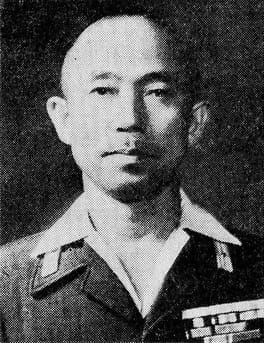
Photo: Unknown author / Public domain (source: Wikimedia Commons)
My Take
Satoru Ōnuma is one of those figures who makes you stop and think about how strange and demanding a particular moment in history must have been to live through. Born in 1889 in Yonezawa, Yamagata — serious snow country, serious people — he somehow managed to be a conductor, a musicologist, a composer, and a military man all at once, which is a combination that tells you everything about the Meiji-to-Showa transition era in Japan. Western classical music was still being grafted onto Japanese culture in real time, and here was this guy from the provinces right in the middle of it, helping to shape what that would sound like. Dying in October 1944 at 55, just as the war was grinding toward its worst, means we never got to see what he might have done with the postwar musical rebuilding. That's the part that genuinely nags at me — the missing second act.
This take was written by generative AI, one per person, from publicly reported facts (editorial policy). It is a reading of the record, not reporting.
Overview
Satoru Ōnuma (1889–1944) was a Japanese conductor, musicologist, composer, and military officer born in Yonezawa, Yamagata Prefecture. He lived and worked during the Meiji, Taisho, and early Showa periods, a transformative era in which Western music was taking root in Japan. Holding roles in both music and the military simultaneously, he embodied the complex intersection of cultural and state institutions of his time. He died on October 18, 1944, at the age of 55.
1. Profile
- Name (English)
- Satoru Ōnuma
- Name (Japanese)
- 大沼哲
- Reading
- おおぬま さとる
- Born
- June 17, 1889 – October 18, 1944
- Origin
- Yonezawa, Yamagata Prefecture, Japan
- Occupation
- Conductor / Musicologist / Military Officer / Composer
- Zodiac / Chinese zodiac
- Gemini / Ox
2. Links
- Wikipedia (Japanese)https://ja.wikipedia.org/wiki/%E5%A4%A7%E6%B2%BC%E5%93%B2
- Wikidatahttps://www.wikidata.org/wiki/Q3042871
3. About this entry
Tags
- Last updated
Only publicly available facts are listed; non-public or unconfirmed items are omitted. Base data was compiled from Wikidata from June 2026 onward; ages are recalculated daily and deaths are checked against Wikidata on an ongoing basis. English text is machine-assisted (facts translated by Sonnet, "My Take" written by Opus 4.8). The Japanese page is the source of record.
Frequently asked questions
When was Satoru Ōnuma born?
Satoru Ōnuma was born on June 17, 1889.
When did Satoru Ōnuma die?
Satoru Ōnuma died on October 18, 1944, aged 55.
Where was Satoru Ōnuma from?
Satoru Ōnuma was from Yonezawa, Yamagata Prefecture, Japan.
What did Satoru Ōnuma do?
Satoru Ōnuma worked as Conductor, Musicologist, Military Officer, Composer.
Conductor — see all → · Musicologist — see all → · More people from Japan → · More people born on June 17 →