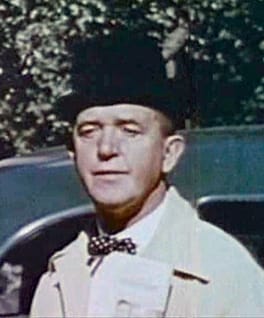
Photo: US Department of Agriculture / Public domain (source: Wikimedia Commons)
Stan Laurel was born on June 16, 1890 in Ulverston, United Kingdom and was credited as a stage actor, screenwriter and comedian. Death is recorded on February 23, 1965, at the age of 74. Education on record includes Stonelaw High School. Listed accolades include Academy Honorary Award (1960), Screen Actors Guild Life Achievement Award (1964) and star on Hollywood Walk of Fame.
My Take
Stan Laurel is, for me, the quiet architect of screen comedy. Born in Ulverston, he crossed the Atlantic and built 107 films of timeless laughter with Oliver Hardy, but the detail I treasure is that he wrote and shaped the gags behind the scenes. Beneath that bewildered everyman face sat a meticulous mind obsessed with timing and structure. His honorary Academy Award, accepted with characteristic modesty, only deepens my respect. Laurel's gentle, expression-driven humor still echoes through modern comedians, and that's the mark of a true craftsman whose work outlives its era.
This take was written by generative AI, one per person, from publicly reported facts (editorial policy). It is a reading of the record, not reporting.
1. Profile
- Name (English)
- Stan Laurel
- Name (Japanese)
- スタン・ローレル
- Reading
- すたん・ろーれる
- Born
- June 16, 1890 – February 23, 1965
- Origin
- Ulverston, United Kingdom
- Occupation
- stage actor / screenwriter / comedian / film actor / stunt performer
- Zodiac / Chinese zodiac
- Gemini / Tiger
2. Background
- High school
- Stonelaw High School
Awards & achievements
- 1960 Academy Honorary Award
- 1964 Screen Actors Guild Life Achievement Award
- star on Hollywood Walk of Fame
3. Links
- Wikipedia (English)https://en.wikipedia.org/wiki/Stan%20Laurel
- Wikipedia (Japanese)https://ja.wikipedia.org/wiki/%E3%82%B9%E3%82%BF%E3%83%B3%E3%83%BB%E3%83%AD%E3%83%BC%E3%83%AC%E3%83%AB
- Wikidatahttps://www.wikidata.org/wiki/Q72869
4. About this entry
Tags
- Last updated
Facts are limited to publicly available information up to 2024; non-public or unconfirmed items are omitted. English text is machine-assisted (facts translated by Sonnet, "My Take" written by Opus 4.8). The Japanese page is the source of record.
Frequently asked questions
When was Stan Laurel born?
Stan Laurel was born on June 16, 1890.
When did Stan Laurel die?
Stan Laurel died on February 23, 1965, aged 74.
Where was Stan Laurel from?
Stan Laurel was from Ulverston, United Kingdom.
What did Stan Laurel do?
Stan Laurel worked as stage actor, screenwriter, comedian, film actor, stunt performer.
Which high school did Stan Laurel attend?
Stan Laurel attended Stonelaw High School.
Stage actor — see all → · Screenwriter — see all → · More people from the United Kingdom → · More people born on June 16 →