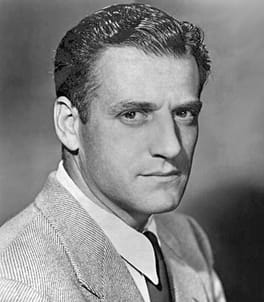
Photo: studio / Public domain (source: Wikimedia Commons)
Stanley Kramer, born on September 29, 1913 in Brooklyn, New York, United States, was a film producer, film director and autobiographer. Stanley Kramer died on February 19, 2001, aged 87. Education on record includes DeWitt Clinton High School and New York University. Awards on record include Golden Globe Award for Best Director (1962), Golden Globe Award for Best Motion Picture – Musical or Comedy (1970), Irving G. Thalberg Memorial Award (1962) and 1 more.
My Take
What I admire most about Stanley Kramer is that he refused to look away. While the big studios chased safe entertainment, this Brooklyn-born independent kept pointing his camera at the issues nobody wanted to touch, racism, nuclear fear, the courtroom reckonings of conscience. He called them heavy dramas, and they were, but they mattered. To me, his real legacy isn't the Thalberg Award or the Golden Globes; it's the proof that a producer-director could build a career on conviction rather than comfort. The American message film owes him a great deal, and so, frankly, does anyone who believes movies can argue with the world.
This take was written by generative AI, one per person, from publicly reported facts (editorial policy). It is a reading of the record, not reporting.
1. Profile
- Name (English)
- Stanley Kramer
- Name (Japanese)
- スタンリー・クレイマー
- Reading
- すたんりー・くれいまー
- Born
- September 29, 1913 – February 19, 2001
- Origin
- Brooklyn, New York, United States
- Occupation
- film producer / film director / autobiographer
- Zodiac / Chinese zodiac
- Libra / Ox
2. Background
- High school
- DeWitt Clinton High School
- University
- New York University
Awards & achievements
- 1962 Golden Globe Award for Best Director
- 1970 Golden Globe Award for Best Motion Picture – Musical or Comedy
- 1962 Irving G. Thalberg Memorial Award
- star on Hollywood Walk of Fame
3. Links
4. About this entry
Tags
- Last updated
Facts are limited to publicly available information up to 2024; non-public or unconfirmed items are omitted. English text is machine-assisted (facts translated by Sonnet, "My Take" written by Opus 4.8). The Japanese page is the source of record.
Frequently asked questions
When was Stanley Kramer born?
Stanley Kramer was born on September 29, 1913.
When did Stanley Kramer die?
Stanley Kramer died on February 19, 2001, aged 87.
Where was Stanley Kramer from?
Stanley Kramer was from Brooklyn, New York, United States.
What did Stanley Kramer do?
Stanley Kramer worked as film producer, film director, autobiographer.
Where did Stanley Kramer study?
Stanley Kramer attended New York University.
Film producer — see all → · Film director — see all → · More people from the United States → · More people born on September 29 →