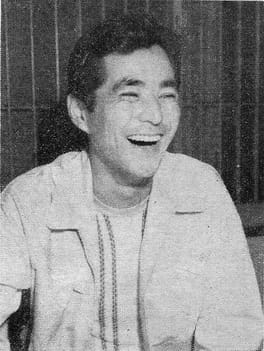
Photo: 映画世界社 (Eiga Sekai Publications, Inc.) / Public domain (source: Wikimedia Commons)
My Take
Tatsuya Mihashi is the kind of actor who makes you feel the weight of history just by existing on screen. Born in 1923 in central Tokyo, he lived through the war, came out the other side, and then got to watch Japanese cinema explode into one of the most electrifying film cultures in the world — and he was right there in the thick of it. There's a specific gravity that only comes from that kind of life, and you can feel it in actors of his generation: they don't need to perform presence, they just have it. The quiet ones who could hold a frame without doing much of anything are always the hardest to replace, and when Mihashi passed in May 2004, that particular vintage of old-Tokyo stoicism went with him. We don't really make actors like that anymore, and honestly I'm not sure we can.
This take was written by generative AI, one per person, from publicly reported facts (editorial policy). It is a reading of the record, not reporting.
Overview
Tatsuya Mihashi was a Japanese actor born on November 2, 1923, in Chuo, Tokyo. He attended Chuo Gakuin University and built a career spanning the golden age of Japanese cinema and television. He passed away on May 15, 2004.
1. Profile
- Name (English)
- Tatsuya Mihashi
- Name (Japanese)
- 三橋達也
- Reading
- みはし たつや
- Born
- November 2, 1923 – May 15, 2004
- Origin
- Tokyo (Chuo), Japan
- Occupation
- Actor
- Zodiac / Chinese zodiac
- Scorpio / Boar
2. Background
- University
- Chuo Gakuin University
3. Works & records
Works summary
- Appearances
- 155 (1950–2004)
- By year (titles with a known year)
- 1950: 1, 1951: 2, 1952: 5, 1953: 10, 1954: 2, 1955: 7, 1956: 10, 1957: 5, 1958: 3, 1959: 7, 1960: 6, 1961: 9, 1962: 5, 1963: 3, 1964: 5, 1965: 6, 1966: 8, 1967: 4, 1968: 2, 1969: 2, 1970: 4, 1971: 3, 1972: 3, 1973: 1, 1974: 1, 1978: 1, 1979: 2, 1980: 4, 1981: 5, 1986: 2, 1990: 2, 1991: 1, 1992: 1, 1993: 1, 1997: 1, 1999: 1, 2001: 2, 2002: 2, 2004: 1, year unknown: 15
- Debut work
- 執行猶予
Filmography / notable works
| Category | Title | Year |
|---|---|---|
| CASSHERN | 2004 | |
| Dolls | 2002 | |
| TV drama | Manten | 2002 |
| 忘れられぬ人々 | 2001 | |
| TV drama | おばさん会長・紫の犯罪清掃日記!ゴミは殺しを知っている2 | 2001 |
| TV drama | 妻への贈り物 | 1999 |
| TV drama | 流れ板七人 | 1997 |
| TV drama | 人生ゲーム 残された2通の遺言状 | 1993 |
| TV drama | 東京・佃島、医者嫌いの隠された秘密 | 1992 |
| TV drama | 大逆襲! 四匹の用心棒 | 1991 |
| シンデレラ・エクスプレス | 1990 | |
| TV drama | 木枯し紋次郎 年に一度の手向け草 | 1990 |
| 鹿鳴館 | 1986 | |
| TV drama | 陽のあたる坂道 | 1986 |
| 連合艦隊 | 1981 | |
| TV drama | 土曜ワイド劇場 | 1981 |
| TV drama | 続・ぬかるみの女 | 1981 |
| TV drama | 絶唱 | 1981 |
| TV drama | 虹色の森 | 1981 |
| 遥かなる走路 | 1980 | |
| TV drama | ぬかるみの女 | 1980 |
| TV drama | 87分署シリーズ・裸の街 | 1980 |
| TV drama | Genta Ikenaka 80 kg | 1980 |
| 瞳の中の女 | 1979 | |
| TV drama | 鉄道公安官 | 1979 |
| TV drama | 横溝正史シリーズ 迷路荘の惨劇 | 1978 |
| TV drama | おじさま!愛です | 1974 |
| TV drama | 寝顔が可愛い | 1973 |
| TV drama | はるかなる愛 | 1972 |
| TV drama | 妻が恋した男 | 1972 |
| Other TV programs | ミス・ユニバース日本代表選出大会 | 1972 |
| 新網走番外地 嵐を呼ぶ知床岬 | 1971 | |
| TV drama | (第2シリーズ)(1971年) | 1971 |
| TV drama | 悲恋短冊 | 1971 |
| The Militarists | 1970 | |
| Tora! Tora! Tora! | 1970 | |
| TV drama | 乱戦模様 | 1970 |
| TV drama | (第1シリーズ)(1970年) | 1970 |
| 野獣の復活 | 1969 | |
| TV drama | 90日の恋 | 1969 |
| 新網走番外地 | 1968 | |
| TV drama | 東京コンバット | 1968 |
| The Killing Bottle | 1967 | |
| 佐々木小次郎 | 1967 | |
| TV drama | 女であること | 1967 |
| TV drama | 愛の装飾 | 1967 |
| Adventure in Kigan Castle | 1966 | |
| The Stranger Within a Woman | 1966 | |
| 10,000 Miles of Stormy Seas | 1966 | |
| TV drama | 出番です…奥さま | 1966 |
| TV drama | 浮気にご用心 | 1966 |
| TV drama | 遊撃戦 | 1966 |
| TV drama | 雪の喪章 | 1966 |
| TV drama | 河のほとりで | 1966 |
| Kokusai himitsu keisatsu: Kagi no kagi | 1965 | |
| 勇者のみ | 1965 | |
| TV drama | 妻が夫をケイベツするとき | 1965 |
| TV drama | 夫婦 | 1965 |
| TV drama | さよならはイヤよ! | 1965 |
4. Links
- Wikipedia (Japanese)https://ja.wikipedia.org/wiki/%E4%B8%89%E6%A9%8B%E9%81%94%E4%B9%9F
- Wikidatahttps://www.wikidata.org/wiki/Q11356032
5. About this entry
Tags
- Last updated
Only publicly available facts are listed; non-public or unconfirmed items are omitted. Base data was compiled from Wikidata from June 2026 onward; ages are recalculated daily and deaths are checked against Wikidata on an ongoing basis. Works and profile fields sourced from Wikipedia reflect content as of 2026-08-26. English text is machine-assisted (facts translated by Sonnet, "My Take" written by Opus 4.8). The Japanese page is the source of record.
Frequently asked questions
When was Tatsuya Mihashi born?
Tatsuya Mihashi was born on November 2, 1923.
When did Tatsuya Mihashi die?
Tatsuya Mihashi died on May 15, 2004, aged 80.
Where was Tatsuya Mihashi from?
Tatsuya Mihashi was from Tokyo (Chuo), Japan.
What did Tatsuya Mihashi do?
Tatsuya Mihashi worked as Actor.
Where did Tatsuya Mihashi study?
Tatsuya Mihashi attended Chuo Gakuin University.
What was Tatsuya Mihashi known for?
Tatsuya Mihashi's notable works include CASSHERN, Dolls.
Actor — see all → · More people from Japan → · More people born on November 2 →