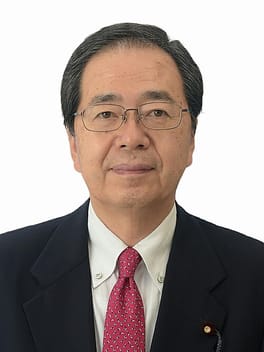
Photo: Cabinet Public Affairs Office / CC BY 4.0 (source: Wikimedia Commons)
Born on February 5, 1952, Tetsuo Saito is from Hasumi, Shimane Prefecture, Japan. Public records list Tetsuo Saito as a politician and engineer. The age as of 2026 is 74.
My Take
What draws me to Tetsuo Saito is the rare blend of engineer and statesman. A Tokyo Institute of Technology background, then a career steering portfolios as different as the Environment and Land, Infrastructure, Transport and Tourism ministries, and finally leading Komeito. I admire politicians who can carry technical literacy into messy policy rooms, because so few can do both. Coming from a small Shimane village to that level of national responsibility says a lot about persistence. He is not a charismatic showman, and I think that is the point. Quiet, methodical competence is underrated, and Saito seems to embody it.
This take was written by generative AI, one per person, from publicly reported facts (editorial policy). It is a reading of the record, not reporting.
1. Profile
- Name (English)
- Tetsuo Saito
- Name (Japanese)
- 斉藤鉄夫
- Reading
- さいとう てつお
- Born
- February 5, 1952 (age 74)
- Origin
- Hasumi, Shimane Prefecture, Japan
- Occupation
- politician / engineer
- Zodiac / Chinese zodiac
- Aquarius / Dragon
2. Links
- Official sitehttps://www.saitotetsuo.com/
- Instagramhttps://www.instagram.com/saito.tetsuo999/
- Xhttps://x.com/saitotetsuo
- Wikipedia (English)https://en.wikipedia.org/wiki/Tetsuo%20Saito
- Wikipedia (Japanese)https://ja.wikipedia.org/wiki/%E6%96%89%E8%97%A4%E9%89%84%E5%A4%AB
- Wikidatahttps://www.wikidata.org/wiki/Q926287
3. About this entry
Tags
- Last updated
Facts are limited to publicly available information up to 2024; non-public or unconfirmed items are omitted. English text is machine-assisted (facts translated by Sonnet, "My Take" written by Opus 4.8). The Japanese page is the source of record.
Frequently asked questions
When was Tetsuo Saito born?
Tetsuo Saito was born on February 5, 1952 and is 74 years old.
Where is Tetsuo Saito from?
Tetsuo Saito is from Hasumi, Shimane Prefecture, Japan.
What does Tetsuo Saito do?
Tetsuo Saito works as politician, engineer.
Politician — see all → · Engineer — see all → · More people from Japan → · More people born on February 5 →