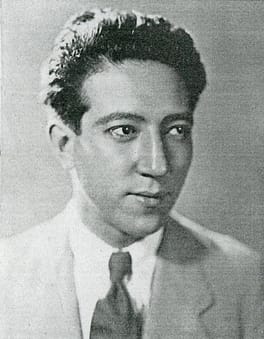
Photo: 作者不明 / Public domain (source: Wikimedia Commons)
My Take
The name "Ureo Egawa" genuinely stopped me — Ureo is such an unusual given name that it already tells you something about the era he came from. Born in 1902 in Yokohama, at a time when that city was basically Japan's front door to the world, he grew up breathing foreign influence off the docks, and I think that shaped whatever sensibility he brought to the screen. What impresses me most is that he wasn't just an actor or just a director or just a screenwriter — he wore all three hats during a period when Japanese cinema was genuinely the cultural center of gravity, not a niche art form. That takes real drive. He passed in 1970 at 68, which means his whole career stretched from the silent era through postwar reconstruction, and honestly that's a filmography I'd love to dig into properly someday. One of those quietly significant figures history keeps underrating.
This take was written by generative AI, one per person, from publicly reported facts (editorial policy). It is a reading of the record, not reporting.
Overview
Ureo Egawa (1902–1970) was a Japanese film director, actor, and screenwriter born in Yokohama, Kanagawa. Active during the prewar and postwar eras of Japanese cinema, he worked across multiple creative roles in the film industry. He died on May 20, 1970, at the age of 68.
1. Profile
- Name (English)
- Ureo Egawa
- Name (Japanese)
- 江川宇礼雄
- Reading
- えがわ うれお
- Born
- May 7, 1902 – May 20, 1970
- Origin
- Yokohama, Kanagawa, Japan
- Occupation
- Film Director / Actor / Screenwriter
- Zodiac / Chinese zodiac
- Taurus / Tiger
2. Links
3. About this entry
Tags
- Last updated
Facts are limited to publicly available information up to 2024; non-public or unconfirmed items are omitted. English text is machine-assisted (facts translated by Sonnet, "My Take" written by Opus 4.8). The Japanese page is the source of record.
Frequently asked questions
When was Ureo Egawa born?
Born May 7, 1902.
When did Ureo Egawa die?
Died May 20, 1970, aged 68.
Where was Ureo Egawa from?
Ureo Egawa was from Yokohama, Kanagawa, Japan.
What did Ureo Egawa do?
Ureo Egawa worked as Film Director, Actor, Screenwriter.
Film Director — see all → · Actor — see all → · More people from Japan →