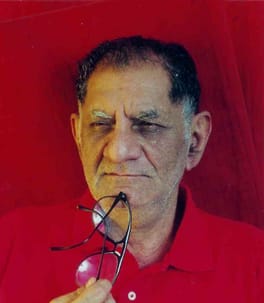
Photo: anand bakshi / CC BY-SA 3.0 (source: Wikimedia Commons)
Born on July 21, 1930, Anand Bakshi was from Rawalpindi, Rawalpindi District, Pakistan. Public records list Anand Bakshi as a lyricist, songwriter and poet. Death is recorded on March 30, 2002, at the age of 71. Listed accolades include Filmfare Awards.
My Take
What strikes me about Anand Bakshi is the sheer scale of an invisible craft: more than 6,000 songs across 300-plus films, four Filmfare wins, and yet the spotlight always fell on the actors miming his words. I find that quietly heroic. A boy from Rawalpindi who became the lyrical backbone of Hindi cinema deserves far more recognition than the credits ever gave him. I tend to admire the writers behind the performers, and Bakshi is the perfect case study in how language, not just melody, carries a film's emotion. His longevity alone tells you how deeply audiences trusted his voice.
This take was written by generative AI, one per person, from publicly reported facts (editorial policy). It is a reading of the record, not reporting.
1. Profile
- Name (English)
- Anand Bakshi
- Name (Japanese)
- アナンド・バクシ
- Reading
- あなんど・ばくし
- Born
- July 21, 1930 – March 30, 2002
- Origin
- Rawalpindi, Rawalpindi District, Pakistan
- Occupation
- lyricist / songwriter / poet / writer / copywriter
- Zodiac / Chinese zodiac
- Cancer / Horse
2. Background
Awards & achievements
- Filmfare Awards
3. Links
- Wikipedia (English)https://en.wikipedia.org/wiki/Anand%20Bakshi
- Wikidatahttps://www.wikidata.org/wiki/Q2723734
4. About this entry
Tags
- Last updated
Facts are limited to publicly available information up to 2024; non-public or unconfirmed items are omitted. English text is machine-assisted (facts translated by Sonnet, "My Take" written by Opus 4.8). The Japanese page is the source of record.
Frequently asked questions
When was Anand Bakshi born?
Anand Bakshi was born on July 21, 1930.
When did Anand Bakshi die?
Anand Bakshi died on March 30, 2002, aged 71.
Where was Anand Bakshi from?
Anand Bakshi was from Rawalpindi, Rawalpindi District, Pakistan.
What did Anand Bakshi do?
Anand Bakshi worked as lyricist, songwriter, poet, writer, copywriter.
Lyricist — see all → · Songwriter — see all → · More people from Pakistan → · More people born on July 21 →