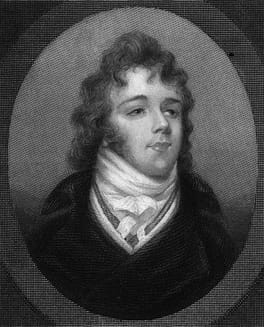
Photo: Unknown author / Public domain (source: Wikimedia Commons)
Beau Brummell was born in London, United Kingdom on June 7, 1778. Public records list Beau Brummell as a cricketer, playboy and writer. Death is recorded on March 30, 1840, at the age of 61. Education on record includes Eton College.
My Take
Beau Brummell is basically the original influencer, and I mean that as genuine admiration. This guy had zero title, zero inherited wealth worth keeping, and yet he walked into Regency London and single-handedly convinced an entire civilization to abandon powdered wigs and knee breeches in favor of clean lines, impeccable tailoring, and a cravat knotted just so. His best friend was the future King George IV, which tells you everything about his social pull. What I find genuinely fascinating is how he understood that understatement was its own kind of power — no peacock excess, just fit and quality and confidence. Sure, the gambling debts caught up with him, the friendship with the Prince collapsed spectacularly, and he died penniless in a Caen asylum in 1840, which is tragic. But the blueprint he left for modern menswear? Still running.
This take was written by generative AI, one per person, from publicly reported facts (editorial policy). It is a reading of the record, not reporting.
1. Profile
- Name (English)
- Beau Brummell
- Name (Japanese)
- ジョージ・ブライアン・ブランメル
- Reading
- じょーじ・ぶらいあん・ぶらんめる
- Born
- June 7, 1778 – March 30, 1840
- Origin
- London, United Kingdom
- Occupation
- cricketer / playboy / writer
- Zodiac / Chinese zodiac
- Gemini / Dog
2. Background
- University
- Eton College
3. Links
- Wikipedia (English)https://en.wikipedia.org/wiki/Beau%20Brummell
- Wikipedia (Japanese)https://ja.wikipedia.org/wiki/%E3%82%B8%E3%83%A7%E3%83%BC%E3%82%B8%E3%83%BB%E3%83%96%E3%83%A9%E3%82%A4%E3%82%A2%E3%83%B3%E3%83%BB%E3%83%96%E3%83%A9%E3%83%B3%E3%83%A1%E3%83%AB
- Wikidatahttps://www.wikidata.org/wiki/Q561019
4. About this entry
Tags
- Last updated
Only publicly available facts are listed; non-public or unconfirmed items are omitted. Base data was compiled from Wikidata from June 2026 onward; ages are recalculated daily and deaths are checked against Wikidata on an ongoing basis. English text is machine-assisted (facts translated by Sonnet, "My Take" written by Opus 4.8). The Japanese page is the source of record.
Frequently asked questions
When was Beau Brummell born?
Beau Brummell was born on June 7, 1778.
When did Beau Brummell die?
Beau Brummell died on March 30, 1840, aged 61.
Where was Beau Brummell from?
Beau Brummell was from London, United Kingdom.
What did Beau Brummell do?
Beau Brummell worked as cricketer, playboy, writer.
Where did Beau Brummell study?
Beau Brummell attended Eton College.
Cricketer — see all → · More people from the United Kingdom → · More people born on June 7 →