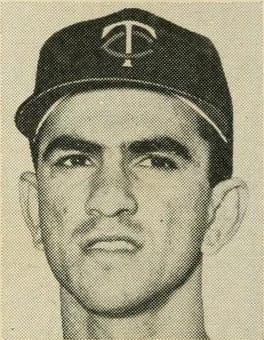
Photo: J. G. Taylor Spink / Public domain (source: Wikimedia Commons)
Camilo Pascual is credited as a baseball player. Camilo Pascual was born in Havana, Havana Province, Cuba on January 20, 1934. That works out to 92 years old in 2026.
My Take
Camilo Pascual is a name that sparks genuine romance for me. Born in Havana in 1934, he anchored the Washington Senators staff that became the Minnesota Twins, pitching eighteen big-league seasons from 1954 to 1971. A Cuban who crossed the water and made it in America during a turbulent era, his story alone could fill a film. He was famous for a wicked curveball, and to me that marks a true craftsman of the mound rather than a pure power arm. Beyond any stat line, I admire the sheer durability of a body and mind that kept competing for nearly two decades.
This take was written by generative AI, one per person, from publicly reported facts (editorial policy). It is a reading of the record, not reporting.
1. Profile
- Name (English)
- Camilo Pascual
- Name (Japanese)
- カミロ・パスカル
- Reading
- かみろ・ぱすかる
- Born
- January 20, 1934 (age 92)
- Origin
- Havana, Havana Province, Cuba
- Occupation
- baseball player
- Zodiac / Chinese zodiac
- Aquarius / Dog
2. Links
- Wikipedia (English)https://en.wikipedia.org/wiki/Camilo%20Pascual
- Wikipedia (Japanese)https://ja.wikipedia.org/wiki/%E3%82%AB%E3%83%9F%E3%83%AD%E3%83%BB%E3%83%91%E3%82%B9%E3%82%AB%E3%83%AB
- Wikidatahttps://www.wikidata.org/wiki/Q5026744
3. About this entry
Tags
- Last updated
Facts are limited to publicly available information up to 2024; non-public or unconfirmed items are omitted. English text is machine-assisted (facts translated by Sonnet, "My Take" written by Opus 4.8). The Japanese page is the source of record.
Frequently asked questions
When was Camilo Pascual born?
Born January 20, 1934 (age 92).
Where is Camilo Pascual from?
Camilo Pascual is from Havana, Havana Province, Cuba.
What does Camilo Pascual do?
Camilo Pascual works as baseball player.