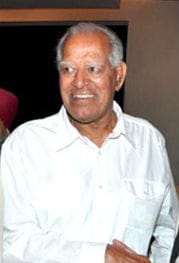
Photo: Bollywood Hungama / CC BY 3.0 (source: Wikimedia Commons)
Dara Singh was born on November 19, 1928 in Punjab, Pakistan and was credited as a politician, film director and film producer. Dara Singh died on July 12, 2012, aged 83. Recorded honors include WWE Hall of Fame and Wrestling Observer Newsletter Hall of Fame.
My Take
Dara Singh is a genuine legend, and his story spans worlds I rarely see one person touch. Born in 1928 in Punjab, he became one of India's greatest wrestlers, famously beating Lou Thesz for a world title in 1968, then reinvented himself as an actor, director, and politician. The WWE Hall of Fame honor confirms the wrestling legacy crossed oceans. What fascinates me is the sheer range, from the ring to the screen to parliament, all in one lifetime that ran until 2012. That kind of second and third act takes real charisma. He clearly knew how to win a crowd anywhere.
This take was written by generative AI, one per person, from publicly reported facts (editorial policy). It is a reading of the record, not reporting.
1. Profile
- Name (English)
- Dara Singh
- Name (Japanese)
- ダラ・シン
- Reading
- だら・しん
- Born
- November 19, 1928 – July 12, 2012
- Origin
- Punjab, Pakistan
- Occupation
- politician / film director / film producer / professional wrestler / film actor
- Zodiac / Chinese zodiac
- Scorpio / Dragon
2. Background
Awards & achievements
- WWE Hall of Fame
- Wrestling Observer Newsletter Hall of Fame
3. Links
- Wikipedia (English)https://en.wikipedia.org/wiki/Dara%20Singh
- Wikipedia (Japanese)https://ja.wikipedia.org/wiki/%E3%83%80%E3%83%A9%E3%83%BB%E3%82%B7%E3%83%B3
- Wikidatahttps://www.wikidata.org/wiki/Q165816
4. About this entry
Tags
- Last updated
Facts are limited to publicly available information up to 2024; non-public or unconfirmed items are omitted. English text is machine-assisted (facts translated by Sonnet, "My Take" written by Opus 4.8). The Japanese page is the source of record.
Frequently asked questions
When was Dara Singh born?
Born November 19, 1928.
When did Dara Singh die?
Died July 12, 2012, aged 83.
Where was Dara Singh from?
Dara Singh was from Punjab, Pakistan.
What did Dara Singh do?
Dara Singh worked as politician, film director, film producer, professional wrestler, film actor.
Politician — see all → · Film director — see all → · More people from Pakistan →