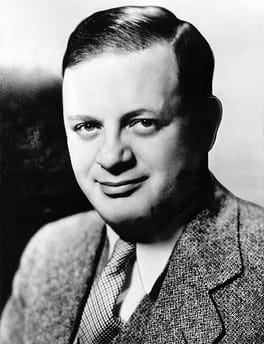
Photo: International News / Public domain (source: Wikimedia Commons)
Herman J. Mankiewicz, born on November 7, 1897 in New York City, New York, United States, was a screenwriter, film producer and journalist. Herman J. Mankiewicz died on March 5, 1953, aged 55. Education on record includes Columbia University. Awards on record include Academy Award for Best Writing, Original Screenplay (1942).
My Take
Herman J. Mankiewicz fascinates me because he co-wrote what many consider the greatest American film ever made. Sharing the 1942 Academy Award for Best Original Screenplay with Orson Welles for Citizen Kane secured him a place in cinema history, even as debates about authorship have followed the film for decades. A New Yorker and Columbia graduate who came from journalism, he brought a sharp, literate wit to Hollywood screenwriting. I think his story captures the tension of the studio era: brilliant writers doing enduring work while wrestling with credit and recognition. To me, Citizen Kane alone makes his legacy permanent.
This take was written by generative AI, one per person, from publicly reported facts (editorial policy). It is a reading of the record, not reporting.
1. Profile
- Name (English)
- Herman J. Mankiewicz
- Name (Japanese)
- ハーマン・J・マンキーウィッツ
- Reading
- はーまん・J・まんきーうぃっつ
- Born
- November 7, 1897 – March 5, 1953
- Origin
- New York City, New York, United States
- Occupation
- screenwriter / film producer / journalist
- Zodiac / Chinese zodiac
- Scorpio / Rooster
2. Background
- University
- Columbia University
Awards & achievements
- 1942 Academy Award for Best Writing, Original Screenplay
3. Links
4. About this entry
Tags
- Last updated
Facts are limited to publicly available information up to 2024; non-public or unconfirmed items are omitted. English text is machine-assisted (facts translated by Sonnet, "My Take" written by Opus 4.8). The Japanese page is the source of record.
Frequently asked questions
When was Herman J. Mankiewicz born?
Born November 7, 1897.
When did Herman J. Mankiewicz die?
Died March 5, 1953, aged 55.
Where was Herman J. Mankiewicz from?
Herman J. Mankiewicz was from New York City, New York, United States.
What did Herman J. Mankiewicz do?
Herman J. Mankiewicz worked as screenwriter, film producer, journalist.
Screenwriter — see all → · Film producer — see all → · More people from the United States →