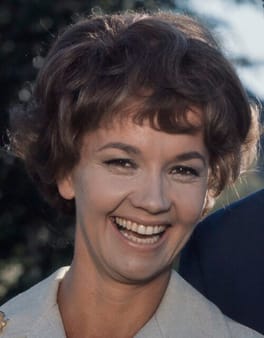
Photo: Hans Gerber / CC BY-SA 4.0 (source: Wikimedia Commons)
Liselotte Pulver was born on October 11, 1929 in Bern, Canton of Berne, Switzerland and is credited as a stage actor, film actor and voice actor. As of 2026, Liselotte Pulver is 96 years old. Schooling on record includes University of Bern. Listed accolades include Bavarian Order of Merit, Officer's Cross of the Order of Merit of the Federal Republic of Germany, Romy and 4 more.
My Take
Liselotte Pulver is the kind of star I genuinely cherish. She carried German cinema through the 1950s and 60s, yet she did it as the tomboy with the hearty, unstoppable laugh rather than the tragic diva. A Bern native who went international in A Time to Love and a Time to Die and Wilder's One, Two, Three, she kept earning honors into her nineties, right up to the 2021 Swiss Film Award. I have deep respect for performers who light up a room with joy instead of gravity. That famous laugh, I suspect, warmed everyone around her off-screen too.
This take was written by generative AI, one per person, from publicly reported facts (editorial policy). It is a reading of the record, not reporting.
1. Profile
- Name (English)
- Liselotte Pulver
- Name (Japanese)
- リーゼロッテ・プルファー
- Reading
- りーぜろって・ぷるふぁー
- Born
- October 11, 1929 (age 96)
- Origin
- Bern, Canton of Berne, Switzerland
- Occupation
- stage actor / film actor / voice actor / actor / musician
- Zodiac / Chinese zodiac
- Libra / Snake
2. Background
- University
- University of Bern
Awards & achievements
- Bavarian Order of Merit
- Officer's Cross of the Order of Merit of the Federal Republic of Germany
- Romy
- Steiger Award
- 1980 Filmband in Gold
- 1958 Filmband in Silber
- 2021 Swiss Film Award
3. Links
4. About this entry
Tags
- Last updated
Facts are limited to publicly available information up to 2024; non-public or unconfirmed items are omitted. English text is machine-assisted (facts translated by Sonnet, "My Take" written by Opus 4.8). The Japanese page is the source of record.
Frequently asked questions
When was Liselotte Pulver born?
Born October 11, 1929 (age 96).
Where is Liselotte Pulver from?
Liselotte Pulver is from Bern, Canton of Berne, Switzerland.
What does Liselotte Pulver do?
Liselotte Pulver works as stage actor, film actor, voice actor, actor, musician.
Stage actor — see all → · Film actor — see all → · More people from Switzerland →