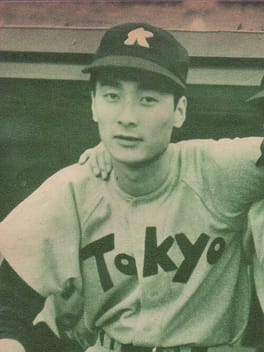
Photo: 博友社 (Hakuyu-sha Co., Ltd.) / Public domain (source: Wikimedia Commons)
Public records list Masaichi Kaneda as a tarento, professional baseball player and baseball coach. Masaichi Kaneda was born on August 1, 1933 in Inazawa, Aichi Prefecture, Japan. Death is recorded on October 6, 2019, at the age of 86. Schooling on record includes Nagoya City Ozone Junior High School. Recorded honors include Japanese Baseball Hall of Fame and Eiji Sawamura Award (1956).
My Take
Four hundred wins. In a sport that now treats two hundred as a monument, Masaichi Kaneda finished with four hundred, and no pitcher in Japanese baseball has come near it since. Born in Inazawa, Aichi in 1933, the tall left-hander won the Eiji Sawamura Award in 1956 and was later enshrined in the Japanese Baseball Hall of Fame, an honor that feels almost redundant next to the number itself. What strikes me is that he never let the record speak alone. After his playing days he managed, and he stayed a loud, unfiltered presence on television, which is why Japanese fans remember his voice as clearly as his statistics. He died in 2019 at the age of eighty-six. Most records eventually fall to someone. This one, honestly, looks safe forever, and the man behind it made sure nobody would forget who set it.
This take was written by generative AI, one per person, from publicly reported facts (editorial policy). It is a reading of the record, not reporting.
1. Profile
- Name (English)
- Masaichi Kaneda
- Name (Japanese)
- 金田正一
- Reading
- かねだ まさいち
- Born
- August 1, 1933 – October 6, 2019
- Origin
- Inazawa, Aichi Prefecture, Japan
- Height
- 184 cm
- Weight
- 73 kg
- Occupation
- baseball player / tarento / professional baseball player / baseball coach
- Zodiac / Chinese zodiac
- Leo / Rooster
2. Background
- High school
- Nagoya City Ozone Junior High School
Awards & achievements
- Japanese Baseball Hall of Fame
- 1956 Eiji Sawamura Award
3. Works & records
Works summary
- Appearances
- 27 (1956–2009)
- By year
- 1956: 1, 1957: 1, 1958: 1, 1959: 1, 1970: 1, 1985: 2, 1987: 1, 1997: 2, 2009: 1
- Debut work
- 天國はどこだ
Filmography / notable works
| Category | Title | Year |
|---|---|---|
| TV appearances | 名球会チャリティゴルフ | 2009 |
| TV appearances | ふるさとの仲間たち ナインが支えたエースの誕生 ~名古屋市・金田正一~ | 1997 |
| Films appeared in | ドリーム・スタジアム | 1997 |
| TV appearances | なんでもワンダーランド 分解・野球テクニック | 1987 |
| TV appearances | この人・金田正一ショー、名勝負に見る400勝投手の誇りと苦闘 | 1985 |
| TV appearances | ウルトラアイ 野球なぜなぜ解説 | 1985 |
| Films appeared in | スパルタ教育くたばれ親父 | 1970 |
| Films appeared in | 大学の合唱 | 1959 |
| Films appeared in | 赤いランプの終列車 | 1958 |
| TV appearances | 第8回NHK紅白歌合戦 | 1957 |
| Films appeared in | 天國はどこだ | 1956 |
| TV appearances | カネやんのやったるで歌謡曲 | |
| TV appearances | ニッポン放送ショウアップナイター | |
| TV appearances | 必勝ホームランワイド 有楽町で逢いましょう | |
| TV appearances | 花の五大スター チャンピオン大放送 | |
| TV appearances | ハッピーバラエティ ほかほか大放送 | |
| TV appearances | プロ野球ニュース | |
| TV appearances | なんでもやりまショー | |
| TV appearances | 金田正一のゴルフツアー | |
| TV appearances | ドラフトクイズ | |
| TV appearances | 東芝ファミリーホール特ダネ登場!? | |
| TV appearances | 輝け!!人気スターチーム対抗大合戦! | |
| TV appearances | 経済ホットチャンネル | |
| TV appearances | 名球会VSビートたけし&芸能界ドリームチーム | |
| TV appearances | おくどはん 第17話 | |
| TV appearances | いのちある限り 燃えろ!熱球 | |
| TV appearances | ヒラメキ大作戦 |
4. Links
- Wikipedia (English)https://en.wikipedia.org/wiki/Masaichi%20Kaneda
- Wikipedia (Japanese)https://ja.wikipedia.org/wiki/%E9%87%91%E7%94%B0%E6%AD%A3%E4%B8%80
- Wikidatahttps://www.wikidata.org/wiki/Q429401
5. About this entry
Tags
- Last updated
Facts are limited to publicly available information up to 2024; non-public or unconfirmed items are omitted. Works and profile fields sourced from Wikipedia reflect content as of 2026-08-26. English text is machine-assisted (facts translated by Sonnet, "My Take" written by Opus 4.8). The Japanese page is the source of record.
Frequently asked questions
When was Masaichi Kaneda born?
Born August 1, 1933.
When did Masaichi Kaneda die?
Died October 6, 2019, aged 86.
Where was Masaichi Kaneda from?
Masaichi Kaneda was from Inazawa, Aichi Prefecture, Japan.
What did Masaichi Kaneda do?
Masaichi Kaneda worked as baseball player, tarento, professional baseball player, baseball coach.
How tall was Masaichi Kaneda?
Masaichi Kaneda was 184 cm.
What was Masaichi Kaneda known for?
Notable works include 名球会チャリティゴルフ, ふるさとの仲間たち ナインが支えたエースの誕生 ~名古屋市・金田正一~, ドリーム・スタジアム.
Baseball player — see all → · Tarento — see all → · More people from Japan →