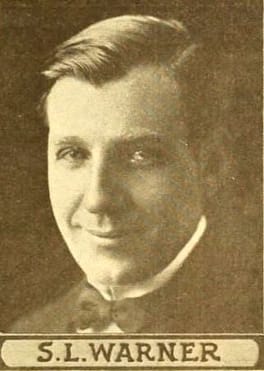
Photo: Unknown photographer / Public domain (source: Wikimedia Commons)
Born on August 10, 1887 in Krasnosielc, Masovian Voivodeship, Poland, Sam Warner was a film producer, film director and screenwriter. Sam Warner died on October 5, 1927 at the age of 40. Awards on record include California Hall of Fame (2012) and star on Hollywood Walk of Fame.
My Take
Sam Warner is the kind of figure history almost forgets, and that strikes me as deeply unfair. A boy born in a Polish village who, with his brothers, built Warner Bros. and then bet the whole studio on sound when everyone else hesitated. He chased down the technology that gave the movies a voice, a revolution we now take for granted. The cruel irony is that he died in 1927, just before The Jazz Singer made his gamble immortal, never seeing the world he helped create. I find his story genuinely moving: the visionary who lit the fuse but missed the explosion.
This take was written by generative AI, one per person, from publicly reported facts (editorial policy). It is a reading of the record, not reporting.
1. Profile
- Name (English)
- Sam Warner
- Name (Japanese)
- サム・ワーナー
- Reading
- さむ・わーなー
- Born
- August 10, 1887 – October 5, 1927
- Origin
- Krasnosielc, Masovian Voivodeship, Poland
- Occupation
- film producer / film director / screenwriter / entrepreneur / businessperson
- Zodiac / Chinese zodiac
- Leo / Boar
2. Background
Awards & achievements
- 2012 California Hall of Fame
- star on Hollywood Walk of Fame
3. Links
- Wikipedia (English)https://en.wikipedia.org/wiki/Sam%20Warner
- Wikidatahttps://www.wikidata.org/wiki/Q1384655
4. About this entry
Tags
- Last updated
Facts are limited to publicly available information up to 2024; non-public or unconfirmed items are omitted. English text is machine-assisted (facts translated by Sonnet, "My Take" written by Opus 4.8). The Japanese page is the source of record.
Frequently asked questions
When was Sam Warner born?
Sam Warner was born on August 10, 1887.
When did Sam Warner die?
Sam Warner died on October 5, 1927, aged 40.
Where was Sam Warner from?
Sam Warner was from Krasnosielc, Masovian Voivodeship, Poland.
What did Sam Warner do?
Sam Warner worked as film producer, film director, screenwriter, entrepreneur, businessperson.
Film producer — see all → · Film director — see all → · More people from Poland → · More people born on August 10 →