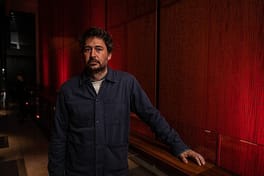
Photo: Ministerio de Cultura de la Nación / CC BY-SA 2.0 (source: Wikimedia Commons)
Santiago Mitre was born on December 4, 1980 in Buenos Aires, Argentina and is credited as a film director, screenwriter and actor. As of 2026, Santiago Mitre is 45 years old. Recorded honors include Outstanding Citizen of Buenos Aires (2023).
My Take
Santiago Mitre is exactly the kind of filmmaker I want to champion. An Argentine writer-director who also acts, he builds the dense, morally tangled human dramas that South American cinema does so well. Serving on a Cannes Critics' Week jury and winning Best Director in Havana for Paulina marks him as a serious voice, not a festival tourist. Being named an Outstanding Citizen of Buenos Aires in 2023 tells me his roots run deep. I trust artists who stay grounded in their own soil rather than chasing Hollywood gloss, and Mitre strikes me as one of them.
This take was written by generative AI, one per person, from publicly reported facts (editorial policy). It is a reading of the record, not reporting.
1. Profile
- Name (English)
- Santiago Mitre
- Name (Japanese)
- サンティアゴ・ミトレ
- Reading
- さんてぃあご・みとれ
- Born
- December 4, 1980 (age 45)
- Origin
- Buenos Aires, Argentina
- Occupation
- film director / screenwriter / actor
- Zodiac / Chinese zodiac
- Sagittarius / Monkey
2. Background
Awards & achievements
- 2023 Outstanding Citizen of Buenos Aires
3. Links
4. About this entry
Tags
- Last updated
Facts are limited to publicly available information up to 2024; non-public or unconfirmed items are omitted. English text is machine-assisted (facts translated by Sonnet, "My Take" written by Opus 4.8). The Japanese page is the source of record.
Frequently asked questions
When was Santiago Mitre born?
Born December 4, 1980 (age 45).
Where is Santiago Mitre from?
Santiago Mitre is from Buenos Aires, Argentina.
What does Santiago Mitre do?
Santiago Mitre works as film director, screenwriter, actor.
Film director — see all → · Screenwriter — see all → · More people from Argentina →