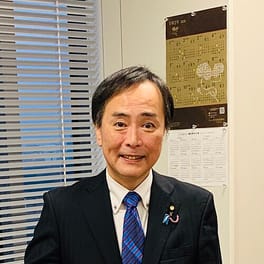
Photo: Project Kei / CC BY-SA 4.0 (source: Wikimedia Commons)
My Take
Takanori Kawai is the kind of politician who quietly earns his seat the old-fashioned way — not through charisma or scandal, but through sheer staying power. He spent two decades working a corporate job at a textile company before pivoting to the House of Councillors in 2007, which tells you something: this isn't someone who ran for office at 25 with big ambitions and a family name. He's a Kyoto kid, a Ritsumeikan graduate, and he's now been re-elected three times — 2007, 2016, 2022 — which in Japanese national politics is a quietly impressive record. Sitting on the judiciary committee and the constitutional commission puts him at the serious, unglamorous end of lawmaking, far from the photo-op circuit. Not a household name, probably fine with that.
This take was written by generative AI, one per person, from publicly reported facts (editorial policy). It is a reading of the record, not reporting.
Overview
Takanori Kawai is a Japanese politician born on January 29, 1964, in Kita Ward, Kyoto Prefecture. He graduated from Ritsumeikan University and went on to build a career in politics. He maintains an official website and is active on X (formerly Twitter) under the handle for House of Councillors members.
1. Profile
- Name (English)
- Takanori Kawai
- Name (Japanese)
- 川合孝典
- Reading
- かわい たかのり
- Born
- January 29, 1964 (age 62)
- Origin
- Kita Ward, Kyoto Prefecture, Japan
- Occupation
- Politician
- Zodiac / Chinese zodiac
- Aquarius / Dragon
2. Background
- University
- Ritsumeikan University
3. Links
- Official sitehttps://www.kawai-takanori.jp/
- Xhttps://x.com/T_KAWAI_SANGIIN
- Wikipedia (Japanese)https://ja.wikipedia.org/wiki/%E5%B7%9D%E5%90%88%E5%AD%9D%E5%85%B8
- Wikidatahttps://www.wikidata.org/wiki/Q7677198
4. About this entry
Tags
- Last updated
Facts are limited to publicly available information up to 2024; non-public or unconfirmed items are omitted. English text is machine-assisted (facts translated by Sonnet, "My Take" written by Opus 4.8). The Japanese page is the source of record.
Frequently asked questions
When was Takanori Kawai born?
Born January 29, 1964 (age 62).
Where is Takanori Kawai from?
Takanori Kawai is from Kita Ward, Kyoto Prefecture, Japan.
What does Takanori Kawai do?
Takanori Kawai works as Politician.