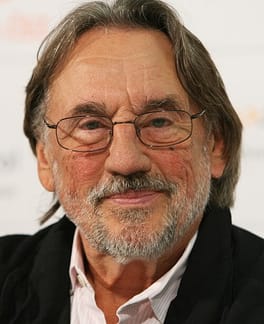
Photo: che (Please credit as "Petr Novák, Wikipedia" in case you use this outside Wikimedia projects.) / CC BY-SA 2.5 (source: Wikimedia Commons)
Vilmos Zsigmond, born on June 16, 1930 in Szeged, Csongrád-Csanád County, Hungary, was a cinematographer, film producer and photographer. Vilmos Zsigmond died on January 1, 2016 at the age of 85. Education on record includes University of Theatre and Film Arts. Listed accolades include Academy Award for Best Cinematography (1978), honorary citizen of Szeged (2004), Corvin Chain (2001) and 1 more.
My Take
Vilmos Zsigmond is, to me, proof that an outsider's eye can redefine a national cinema. Arriving from Hungary, he helped shape the soft, restless, almost anxious light that defined American films of the 1970s. His Academy Award and BAFTA were earned, but what lingers is the feeling in his images rather than the trophies. Being voted among the ten most influential cinematographers in history says everything. He passed on New Year's Day 2016, yet the light he captured on film keeps teaching anyone who cares to look. I regard him as a true craftsman of his art.
This take was written by generative AI, one per person, from publicly reported facts (editorial policy). It is a reading of the record, not reporting.
1. Profile
- Name (English)
- Vilmos Zsigmond
- Name (Japanese)
- ヴィルモス・スィグモンド
- Reading
- ゔぃるもす・すぃぐもんど
- Born
- June 16, 1930 – January 1, 2016
- Origin
- Szeged, Csongrád-Csanád County, Hungary
- Occupation
- cinematographer / film producer / photographer
- Zodiac / Chinese zodiac
- Gemini / Horse
2. Background
- University
- University of Theatre and Film Arts
Awards & achievements
- 1978 Academy Award for Best Cinematography
- 2004 honorary citizen of Szeged
- 2001 Corvin Chain
- 1980 BAFTA Award for Best Cinematography
3. Links
4. About this entry
Tags
- Last updated
Facts are limited to publicly available information up to 2024; non-public or unconfirmed items are omitted. English text is machine-assisted (facts translated by Sonnet, "My Take" written by Opus 4.8). The Japanese page is the source of record.
Frequently asked questions
When was Vilmos Zsigmond born?
Vilmos Zsigmond was born on June 16, 1930.
When did Vilmos Zsigmond die?
Vilmos Zsigmond died on January 1, 2016, aged 85.
Where was Vilmos Zsigmond from?
Vilmos Zsigmond was from Szeged, Csongrád-Csanád County, Hungary.
What did Vilmos Zsigmond do?
Vilmos Zsigmond worked as cinematographer, film producer, photographer.
Where did Vilmos Zsigmond study?
Vilmos Zsigmond attended University of Theatre and Film Arts.
Cinematographer — see all → · Film producer — see all → · More people from Hungary → · More people born on June 16 →