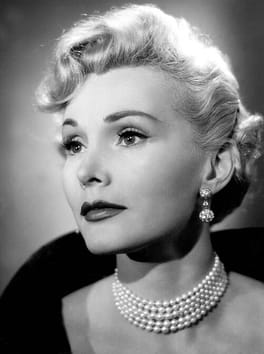
Photo: Studio publicity still / Public domain (source: Wikimedia Commons)
Zsa Zsa Gabor was listed as a film actor, socialite and stage actor. Zsa Zsa Gabor was born in Budapest, Hungary on February 6, 1917. Death is recorded on December 18, 2016, at the age of 99. Recorded honors include Golden Globe Awards (1958) and star on Hollywood Walk of Fame.
My Take
Zsa Zsa Gabor invented a job description the world now takes for granted: being famous as an art form. Long before reality television, this Budapest-born beauty queen turned Hollywood socialite understood that wit, glamour, and a perfectly timed quip could be a career in themselves. I respect that she backed it with real work, from the Vienna stage to film and television, a Golden Globe in 1958, and a star on the Walk of Fame. With her sisters, she made the Gabor name synonymous with extravagant self-invention. She lived to 99 and stayed on brand to the end, and that consistency strikes me as its own kind of genius.
This take was written by generative AI, one per person, from publicly reported facts (editorial policy). It is a reading of the record, not reporting.
1. Profile
- Name (English)
- Zsa Zsa Gabor
- Name (Japanese)
- ザ・ザ・ガボール
- Reading
- ざ・ざ・がぼーる
- Born
- February 6, 1917 – December 18, 2016
- Origin
- Budapest, Hungary
- Occupation
- film actor / socialite / stage actor / television actor / beauty pageant contestant
- Zodiac / Chinese zodiac
- Aquarius / Snake
2. Background
Awards & achievements
- 1958 Golden Globe Awards
- star on Hollywood Walk of Fame
3. Links
- Wikipedia (English)https://en.wikipedia.org/wiki/Zsa%20Zsa%20Gabor
- Wikipedia (Japanese)https://ja.wikipedia.org/wiki/%E3%82%B6%E3%83%BB%E3%82%B6%E3%83%BB%E3%82%AC%E3%83%9C%E3%83%BC%E3%83%AB
- Wikidatahttps://www.wikidata.org/wiki/Q207405
4. About this entry
Tags
- Last updated
Facts are limited to publicly available information up to 2024; non-public or unconfirmed items are omitted. English text is machine-assisted (facts translated by Sonnet, "My Take" written by Opus 4.8). The Japanese page is the source of record.
Frequently asked questions
When was Zsa Zsa Gabor born?
Born February 6, 1917.
When did Zsa Zsa Gabor die?
Died December 18, 2016, aged 99.
Where was Zsa Zsa Gabor from?
Zsa Zsa Gabor was from Budapest, Hungary.
What did Zsa Zsa Gabor do?
Zsa Zsa Gabor worked as film actor, socialite, stage actor, television actor, beauty pageant contestant.
Film actor — see all → · Socialite — see all → · More people from Hungary →