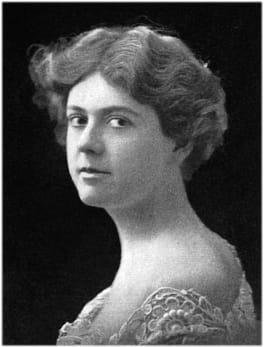
Photo: Otto Sarony (1859-1903) / Public domain (source: Wikimedia Commons)
Clara Blandick was credited as a stage actor and film actor. Born on June 4, 1876, Clara Blandick was from Victoria Harbour, People's Republic of China. Death is recorded on April 15, 1962, at the age of 85.
My Take
Clara Blandick will forever be Auntie Em to me, the gentle anchor who sends Dorothy off in The Wizard of Oz. But that single role undersells a long career across stage and screen, where she specialized in eccentric, formidable older matriarchs. I have real respect for character actors like her: they never chase the spotlight, yet they make a film feel whole. Born in 1876, she worked through the birth of cinema itself, lending gravity and warmth to scenes that lesser performers would have wasted. Her craft is the kind that quietly earns immortality.
This take was written by generative AI, one per person, from publicly reported facts (editorial policy). It is a reading of the record, not reporting.
1. Profile
- Name (English)
- Clara Blandick
- Name (Japanese)
- クララ・ブランディック
- Reading
- くらら・ぶらんでぃっく
- Born
- June 4, 1876 – April 15, 1962
- Origin
- Victoria Harbour, People's Republic of China
- Occupation
- stage actor / film actor
- Zodiac / Chinese zodiac
- Gemini / Rat
2. Links
- Wikipedia (English)https://en.wikipedia.org/wiki/Clara%20Blandick
- Wikidatahttps://www.wikidata.org/wiki/Q325695
3. About this entry
Tags
- Last updated
Facts are limited to publicly available information up to 2024; non-public or unconfirmed items are omitted. English text is machine-assisted (facts translated by Sonnet, "My Take" written by Opus 4.8). The Japanese page is the source of record.
Frequently asked questions
When was Clara Blandick born?
Clara Blandick was born on June 4, 1876.
When did Clara Blandick die?
Clara Blandick died on April 15, 1962, aged 85.
Where was Clara Blandick from?
Clara Blandick was from Victoria Harbour, People's Republic of China.
What did Clara Blandick do?
Clara Blandick worked as stage actor, film actor.
Stage actor — see all → · Film actor — see all → · More people from the People's Republic of China → · More people born on June 4 →