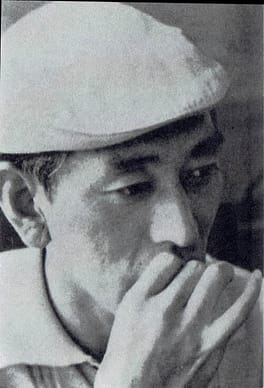
Photo: 新映画 撮影者不明 / Public domain (source: Wikimedia Commons)
My Take
Kenji Misumi is the kind of director who never gets the name recognition he deserves outside of serious genre circles, and that genuinely bugs me. Born in Kyoto in 1921 — and you can feel Kyoto in his work, that restrained precision, the long shadows, the sense that every frame was composed by someone who grew up around centuries-old craft — he became one of Daiei's most reliable masters of chambara cinema. He directed multiple entries in the Zatoichi series and the Lone Wolf and Cub trilogy, and if you've seen those films you know exactly what I mean: the violence is almost balletic, the stillness before a sword draw is unbearable in the best way. He died at 54 in 1975, which stings, because directors in that gear usually hit their richest late period right around then. Quietly influential in ways Hollywood action cinema still doesn't fully credit.
This take was written by generative AI, one per person, from publicly reported facts (editorial policy). It is a reading of the record, not reporting.
Overview
Kenji Misumi (1921–1975) was a Japanese film director born in Kyoto City, Kyoto Prefecture. He studied at Ritsumeikan University and went on to work as a director during the golden age of Japanese cinema. He died on September 24, 1975, at the age of 54.
1. Profile
- Name (English)
- Kenji Misumi
- Name (Japanese)
- 三隅研次
- Reading
- みすみ けんじ
- Born
- March 2, 1921 – September 24, 1975
- Origin
- Kyoto City, Kyoto Prefecture, Japan
- Occupation
- Film Director
- Zodiac / Chinese zodiac
- Pisces / Rooster
2. Background
- University
- Ritsumeikan University
3. Links
- Wikipedia (Japanese)https://ja.wikipedia.org/wiki/%E4%B8%89%E9%9A%85%E7%A0%94%E6%AC%A1
- Wikidatahttps://www.wikidata.org/wiki/Q3028216
4. About this entry
Tags
- Last updated
Facts are limited to publicly available information up to 2024; non-public or unconfirmed items are omitted. English text is machine-assisted (facts translated by Sonnet, "My Take" written by Opus 4.8). The Japanese page is the source of record.
Frequently asked questions
When was Kenji Misumi born?
Born March 2, 1921.
When did Kenji Misumi die?
Died September 24, 1975, aged 54.
Where was Kenji Misumi from?
Kenji Misumi was from Kyoto City, Kyoto Prefecture, Japan.
What did Kenji Misumi do?
Kenji Misumi worked as Film Director.