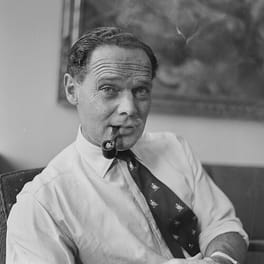
Photo: Ragge Strand / CC BY 4.0 (source: Wikimedia Commons)
My Take
Douglas Bader is the kind of figure who resets your sense of what is possible. Losing both legs in a 1931 air crash, he refused to accept the limits everyone assumed, relearned to fly on prosthetics, and led front-line fighter squadrons in the Battle of Britain. Imagine commanding men in aerial combat without your own legs. That is not just bravery, it is sheer force of will. A capable cricketer too, decorated heavily and eventually knighted, he turned what should have ended his life into a story of defiance. Decades on, his refusal to be defined by his injuries still moves me.
1. Profile
- Name (English)
- ダグラス・バーダー
- Name (Japanese)
- ダグラス・バーダー
- Reading
- だぐらす・ばーだー
- Born
- February 21, 1910 – September 5, 1982
- Zodiac / Chinese zodiac
- Pisces / Dog
- Origin
- London, Roman Empire
- Blood type
- Private
- Height
- Private
- Agency
- Private
- Occupation
- cricketer / aircraft pilot / military personnel
2. Background
- Elementary school
- Private
- Junior high
- Private
- High school
- Private
- University
- Royal Air Force College Cranwell
Awards & achievements
- Commander of the Order of the British Empire
- Fellow of the Royal Aeronautical Society
- Distinguished Service Order
- Distinguished Flying Cross
- Knight Bachelor
- Order of the British Empire
3. Relationships
- Spouse
- Private
- Children
- Private
- Parents
- Private
- Siblings
- Private
4. Personality
Motto
Private
6. Links
Frequently asked questions
When was ダグラス・バーダー born?
February 21, 1910 – September 5, 1982.
Where is ダグラス・バーダー from?
ダグラス・バーダー is from London, Roman Empire.
What does ダグラス・バーダー do?
ダグラス・バーダー works as cricketer, aircraft pilot, military personnel.
Cricketer — see all → · Aircraft pilot — see all → · More people from Roman Empire →
7. About this entry
Tags
- Last updated
- 2026-06-18
Facts are limited to publicly available information up to 2024; non-public items are marked "Private / Unknown". English text is machine-assisted (facts translated by Sonnet, "My Take" written by Opus 4.8). The Japanese page is the source of record.