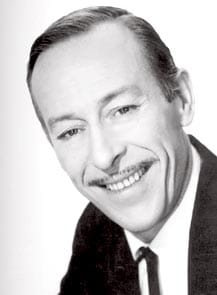
Photo: unknow. uploader Claudio Elias / Public domain (source: Wikimedia Commons)
Roberto Goyeneche was born on January 29, 1926 in Urdinarrain, Entre Ríos Province, Argentina. Roberto Goyeneche was a singer, actor and guitarist. Death is recorded on August 27, 1994, at the age of 68.
My Take
Goyeneche is, frankly, my kind of legend. Before the fame he drove buses and taxis, and that lived hardship is precisely what I hear in a great tango voice: a depth no sheet music can notate. Nicknamed El Polaco for his pale hair and gauntness, he became the very embodiment of 1950s Buenos Aires bohemian life and a living myth in his homeland. Born in 1926 in Entre Rios and gone in 1994, he left a raspy, world-weary sound that still tightens my chest just to imagine. He understood, and proved, that tango is not a song but a whole way of living.
This take was written by generative AI, one per person, from publicly reported facts (editorial policy). It is a reading of the record, not reporting.
1. Profile
- Name (English)
- Roberto Goyeneche
- Name (Japanese)
- ロベルト・ゴジェネチェ
- Reading
- ろべると・ごじぇねちぇ
- Born
- January 29, 1926 – August 27, 1994
- Origin
- Urdinarrain, Entre Ríos Province, Argentina
- Occupation
- singer / actor / guitarist / bus driver / taxi driver
- Zodiac / Chinese zodiac
- Aquarius / Tiger
2. Links
3. About this entry
Tags
- Last updated
Facts are limited to publicly available information up to 2024; non-public or unconfirmed items are omitted. English text is machine-assisted (facts translated by Sonnet, "My Take" written by Opus 4.8). The Japanese page is the source of record.
Frequently asked questions
When was Roberto Goyeneche born?
Born January 29, 1926.
When did Roberto Goyeneche die?
Died August 27, 1994, aged 68.
Where was Roberto Goyeneche from?
Roberto Goyeneche was from Urdinarrain, Entre Ríos Province, Argentina.
What did Roberto Goyeneche do?
Roberto Goyeneche worked as singer, actor, guitarist, bus driver, taxi driver.
Singer — see all → · Actor — see all → · More people from Argentina →