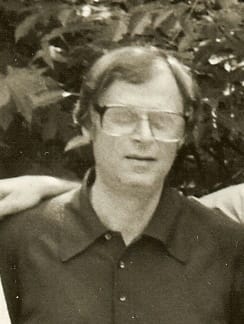
Photo: Stephborel / Public domain (source: Wikimedia Commons)
Public records list Rudy Van Gelder as an audio engineer, jazz record producer and composer. Born on November 2, 1924, Rudy Van Gelder was from Jersey City, New Jersey, United States. Death is recorded on August 25, 2016, at the age of 91. Education on record includes Salus University. Awards on record include Grammy Trustees Award (2012), Paul Acket Award and NEA Jazz Masters.
My Take
Rudy Van Gelder is one of those figures whose name most listeners never notice, yet whose fingerprints are all over the music they love. An optician who turned his New Jersey home into a studio and ended up capturing Coltrane, Miles, Monk and thousands of other sessions, he essentially defined how mid-century jazz sounds to our ears. What fascinates me is his secrecy about his methods, a craftsman guarding his trade. I admire that he chose the engineer's chair over the spotlight, shaping a whole era from behind the glass. The Grammy Trustees honor and NEA Jazz Masters nod feel almost understated.
This take was written by generative AI, one per person, from publicly reported facts (editorial policy). It is a reading of the record, not reporting.
1. Profile
- Name (English)
- Rudy Van Gelder
- Name (Japanese)
- ルディ・ヴァン・ゲルダー
- Reading
- るでぃ・ゔぁん・げるだー
- Born
- November 2, 1924 – August 25, 2016
- Origin
- Jersey City, New Jersey, United States
- Occupation
- audio engineer / jazz record producer / composer / audio technician / optician
- Zodiac / Chinese zodiac
- Scorpio / Rat
2. Background
- University
- Salus University
Awards & achievements
- 2012 Grammy Trustees Award
- Paul Acket Award
- NEA Jazz Masters
3. Links
4. About this entry
Tags
- Last updated
Facts are limited to publicly available information up to 2024; non-public or unconfirmed items are omitted. English text is machine-assisted (facts translated by Sonnet, "My Take" written by Opus 4.8). The Japanese page is the source of record.
Frequently asked questions
When was Rudy Van Gelder born?
Rudy Van Gelder was born on November 2, 1924.
When did Rudy Van Gelder die?
Rudy Van Gelder died on August 25, 2016, aged 91.
Where was Rudy Van Gelder from?
Rudy Van Gelder was from Jersey City, New Jersey, United States.
What did Rudy Van Gelder do?
Rudy Van Gelder worked as audio engineer, jazz record producer, composer, audio technician, optician.
Where did Rudy Van Gelder study?
Rudy Van Gelder attended Salus University.
Audio engineer — see all → · More people from the United States → · More people born on November 2 →